
Rock wool, also known as stone wool, is a versatile material that has become indispensable across multiple sectors. It is produced by melting natural volcanic rock at temperatures around 1500°C and spinning it into a fibrous structure. This process creates a material that is not only effective as thermal insulation but also provides outstanding protection against fire, noise, and moisture. From towering industrial complexes to residential homes, its applications are both varied and critical.
Key Applications of Rock Wool Across Industries
Building Insulation Applications
In the construction industry, rock wool is a staple for creating energy-efficient and comfortable buildings. One of its primary roles is in building insulation applications, where it is used extensively in roofs, floors, and both internal and external walls. The material’s structure traps millions of tiny air pockets, which significantly reduce heat flow. This helps maintain stable indoor temperatures, leading to lower energy consumption and reduced CO2 emissions.
For cavity wall insulation, rock wool batts or slabs are fitted snugly between studs or joists, eliminating gaps that could compromise thermal performance. In roof applications, it prevents heat from escaping during winter and blocks solar radiation during summer, keeping attics and upper floors comfortable year-round. Underfloor insulation using rock wool is equally effective, reducing heat loss through suspended floors and minimizing drafts. The material is available in multiple forms—flexible batts for standard framing, rigid boards for flat surfaces, and loose-fill for hard-to-reach cavities—offering flexibility for virtually any construction scenario.
The long-term savings from reduced heating and cooling bills often offset the initial installation costs within just a few years. For property developers and homeowners alike, this makes rock wool a financially sound investment that pays dividends over the building’s lifetime.

Sound-Absorbing Material
Beyond thermal control, rock wool is a highly effective sound-absorbing material. The interconnected web of fibers creates a porous structure that dissipates sound energy as it passes through. This unique characteristic makes it exceptionally good at dampening airborne noise and reducing impact sound transmission.
Common settings where rock wool is used for acoustic purposes include:
- Residential party walls and floor-ceiling assemblies, where privacy between units is essential
- Recording studios and concert halls, where acoustic precision and clarity are critical
- Open-plan offices and meeting rooms, where noise distraction can reduce productivity
- Schools, libraries, and healthcare facilities, where quiet environments support learning and healing
In addition to these, rock wool is frequently specified in cinemas, theaters, and home entertainment rooms. Its ability to absorb mid- to high-frequency sounds makes it particularly valuable in spaces where speech intelligibility is important. When combined with resilient channels or acoustic hangers, its soundproofing performance can be further enhanced to meet stringent building code requirements.
Rindustrial Insulation Solution
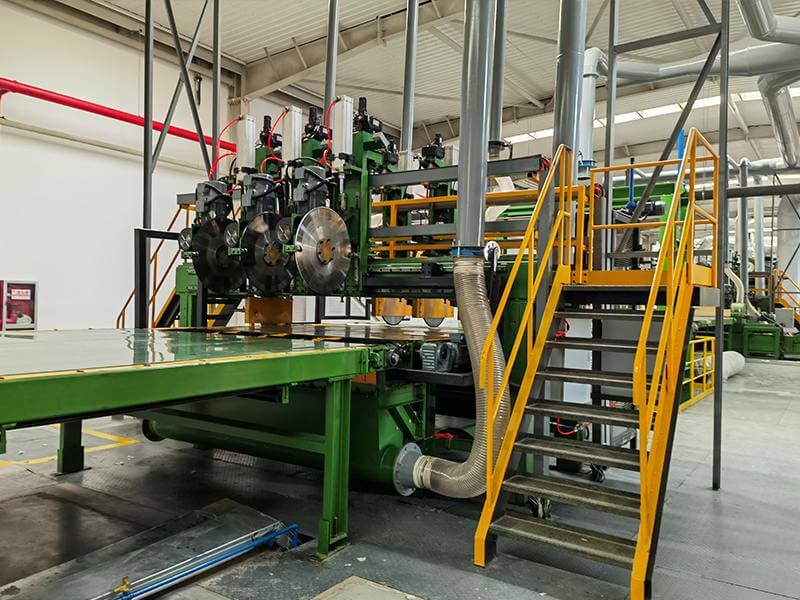
The durability of rock wool makes it a reliable rindustrial insulation solution in demanding environments. It is used extensively in power plants, oil and gas refineries, chemical facilities, and manufacturing plants to insulate boilers, pipes, storage tanks, and heat exchangers. In these settings, it ensures process stability by maintaining optimal temperatures and preventing costly heat loss.
One of the standout characteristics in industrial contexts is the material’s ability to withstand extreme temperatures. It can withstand intermittent exposure to surface temperatures up to 1000°C, making it suitable for high-temperature industrial environments. This resilience means it maintains its shape and protective qualities over decades of service, even under continuous thermal cycling and mechanical vibration.
Beyond thermal management, industrial rock wool also acts as a crucial safety measure. By keeping surface temperatures low, it protects workers from burns and reduces the risk of ignition in flammable environments. It is also chemically resistant to many aggressive substances, including acids and alkalis commonly found in industrial processes, which further extends its service life.
Fire Protection Applications
Among its various uses, rock wool’s role in fire safety is perhaps the most critical. It is a non-combustible material that does not contribute to the spread of flames. Unlike some organic insulation types, it does not produce significant amounts of toxic smoke.
When installed in walls, floors, and ceilings, rock wool acts as a passive fire barrier. It helps contain a blaze within its compartment of origin, slowing the spread of fire and providing valuable time for evacuation. In fire-rated wall assemblies, it is often combined with steel or gypsum boards to achieve hourly fire-resistance ratings required by building codes.
Another notable application is in firestop systems, where rock wool is used to seal penetrations through fire-rated walls and floors. These include openings for pipes, cables, and ductwork. Properly installed rock wool firestops prevent flames and hot gases from moving between compartments, significantly reducing the overall fire risk in commercial and residential buildings.
A Comparison of Applications
| Industry / Sector | Primary Uses | Key Benefits |
|---|---|---|
| Residential Building | Wall, roof, and floor insulation; acoustic panels | Energy savings, soundproofing, fire resistance, comfort |
| Commercial Building | HVAC systems, partition walls, suspended ceilings | Thermal regulation, acoustic comfort, fire safety, privacy |
| Industrial | Boilers, pipework, storage tanks, and processing equipment | Process stability, energy efficiency, worker safety, high-temp resistance |
| Specialized | Passive fire protection, OEM components, horticulture | Non-combustibility, customization, water management |
Other Specialized Uses of Rock Wool
While building and industrial applications dominate, rock wool also serves several niche purposes that demonstrate its remarkable adaptability. These specialized uses, ranked from most common to more niche, include:
- Hydroponic growing medium– Rock wool is widely used in horticulture and vertical farming as a sterile, pH-neutral substrate for seed germination and plant growth. Its high water retention and excellent aeration properties make it ideal for rooting cuttings and cultivating vegetables in controlled environments.
- Custom OEM fire-rated components– Manufacturers produce rock wool in various densities and shapes to create bespoke fireproofing elements for doors, panels, and structural steel encasements.
- Marine and offshore insulation– Ships, oil rigs, and floating platforms use rock wool for fire-rated bulkheads, engine room insulation, and accommodation area soundproofing, where space is limited and safety standards are exceptionally high.
These specialized applications underscore the material’s versatility beyond conventional construction, opening up opportunities in emerging industries like urban farming and offshore renewable energy.
Factors to Consider When Choosing Rock Wool
Selecting the right rock wool product requires attention to a few key factors:
- Density– Lower-density products (40–60 kg/m³) suit acoustic and lightweight thermal insulation. Higher-density boards (up to 200 kg/m³) offer greater compressive strength for load-bearing walls and industrial equipment.
- Thickness– Determined by climate conditions, energy codes, and target R-values. Colder regions require thicker insulation to maintain indoor comfort.
- Moisture and mold resistance– Rock wool is inorganic and does not support mold growth. It resists liquid water while allowing vapor to escape, making it suitable for humid climates and basements. For persistently wet environments, hydrophobic or faced products are recommended.
- Installation method– Friction-fit batts, adhesive-bonded slabs, or mechanically fastened boards suit different substrates and application scenarios.
Conclusion
From insulating a family home to safeguarding a high-temperature industrial plant, rock wool is a multifaceted material that provides exceptional thermal, acoustic, and fire protection. Its durability, sustainability, and versatility further solidify its position as a fundamental component in creating safer, more comfortable, and energy-efficient environments. To understand why it consistently outperforms other insulation options across such diverse scenarios, exploring the key benefits of rock wool is well worth the time.
FAQ
What is the difference between rock wool and fiberglass insulation?
Rock wool has a melting point above 1,200°C and can withstand continuous service temperatures of up to approximately 850°C, compared to fiberglass which melts at around 650-700°C. Fiberglass is lighter and more compressible, often preferred for loft insulation where ease of handling matters.
Can rock wool get wet and still work?
Rock wool is moisture-resistant and vapor-permeable. Its inorganic fibers won’t rot or degrade if wet, and the material can dry out while retaining full thermal and acoustic performance. For persistently damp environments like basements, hydrophobic or faced products are recommended.
How long does rock wool insulation last?
Rock wool lasts the lifetime of a building—often 50 years or more. Since it’s made from inorganic stone, it won’t decay, shrink, settle, or support mold and pests. Combined with its energy-saving benefits, this makes it a cost-effective long-term investment.




