
What a Mineral Wool Production Line Actually Does
A mineral wool production line is like this: raw mineral feedstock goes in one end and insulation products come out the other. The process is carried out in a series of well-defined steps, which typically include batching, melting, fiberizing, binder application, collection, curing, cutting, and packaging. The structure is familiar, but the tuning is different.
From raw material to finished insulation
Rock wool starts with raw materials of volcanic rock such as basalt or diabase, often mixed with slag or mineral additives. Glass wool usually contains more recycled glass, silica sand, and fluxing agents. That difference in raw material almost defines the downstream choices.
Once the batch is fed into the furnace, stable melt has to be maintained by the plant. Then, the fibers are formed by spinning or blowing, collected into a mat, and cured into boards, rolls, or other forms. In an optimally run line, each stage supports the next. In a line where the balance is poor, a small instability in one area is quickly reflected as product variation later on.
Why production-line design matters
The design of the production line affects a lot more than just the output volume. It also affects the quality of the fiber and the consistency of binder distribution as well as the amount of dust created, and even the long-term burden of maintenance. That’s one reason why experienced buyers often focus on system stability rather than headline capacity alone.
Common design priorities include output consistency, energy efficiency, fiber uniformity, dust and emission control, maintenance access, and automation and process monitoring. A line that is simple to operate and easy to keep stable often performs better over the long term than one that looks impressive in a sales brochure.

Rock Wool vs Glass Wool: The Core Material Difference
The major difference does not lie in the equipment but in the material being processed. Rock wool and glass wool are both mineral wool products; they start from different feedstocks and do behave differently during melting and fiber formation.
Raw materials and feedstock
Rock wool is made from stone-derived minerals. Typical inputs are basalt, diabase, slag, and corrective additives. These materials are chosen because they can produce strong, stable mineral fiber with excellent fire performance.
Glass wool, on the other hand, is usually made from recycled glass combined with silica and other additives. This can make the process attractive from a recycling perspective, but the quality and consistency of the feedstock must be monitored.
Melting behavior and furnace demands
Rock wool generally calls for a more rigorous furnace environment. The thermal system must be able to withstand intense heat, operate steadily, and have considerable abrasion on refractory components. In many plants, this poses one of the most substantial costs and engineering challenges.
Glass wool also involves controlled melting, but the thermal profile is not the same. Enough difference in furnace design, melt viscosity, and batching behavior must exist for the line to be configured specifically for the intended product.
| Factor | Rock Wool | Glass Wool |
|---|---|---|
| Main raw materials | Basalt, diabase, slag, mineral additives | Recycled glass, silica sand, fluxes |
| Melting characteristics | Usually more stringent and heat-intensive | Often processed with different melting profiles |
| Fiber structure | Typically denser and stronger mineral fibers | Typically lighter and softer fibers |
| Fire resistance | Very high | High but positioned differently |
| Density range | Often options of higher density | Often options of lower density |
| Common applications | Fire-rated insulation, industrial use, high-temperature settings | HVAC acoustic insulation, light building applications |
Key Equipment Differences in the Two Production Lines
The overall process may look similar but the equipment needs are not identical. The furnace design, fiberizing behavior, collection system, and downstream curing all have to match the material being produced.
Furnace and melting system
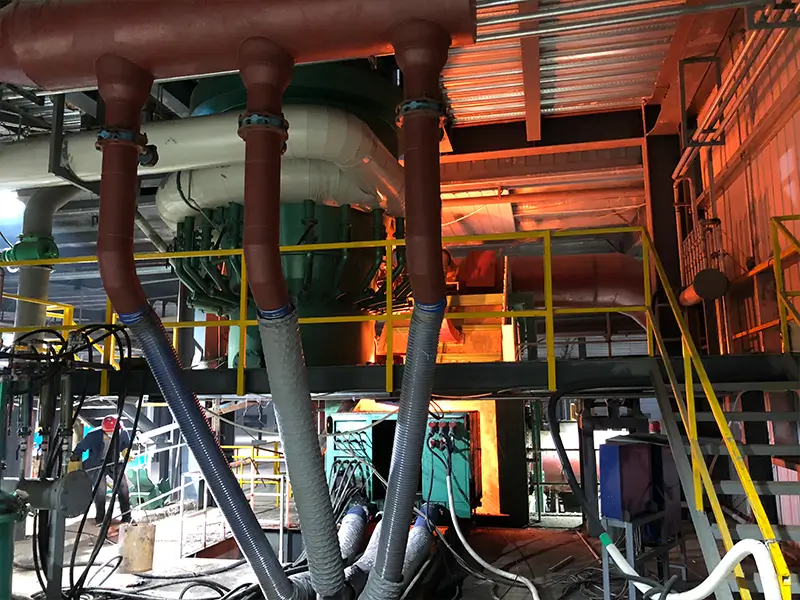
The furnace is that organ in the line. In Rock Wool production, it often needs to be particularly robust because the raw material mix is tough on equipment and calls for sustained thermal performance. Refractory wear, heat consistency, and energy management all become critical.
Furnace control must be as precise in glass wool systems as in the others, though the design may be optimized differently, considering the quality of recycled glass and the type of product to be obtained. In both cases, instability of the furnace tends to affect the entire plant.
For a more detailed technical overview of a rock wool production line, it helps to look at the furnace section first, since that is where many of the major engineering decisions are made.
Fiberizing system
That”s how you turn the melted material into insulation you can use. Spinning wheels, centrifugal rotors, or other systems pull the melt into thin fibers. Small changes in speed, temperature, or airflow can make a big difference in the final product.
The fiberization of rock wool is often adjusted to create more dense and strong fibers. The fiberization of glass wool can be arranged to produce lighter, loftier material. This difference not only affects the insulation performance but also how the product will handle during its installation.
Binder, curing, and collection systems
After fiber formation, a binder is sprayed onto the fibers, which are then collected into a mat and sent through curing and cutting equipment. The machinery categories are similar across both lines, but the settings are not interchangeable.
Rock wool typically needs to support heavier or denser mats; more often, with glass wool, attention is directed toward loft retention and softness. If the process is not balanced, the final product can be overly compact or loose.
Common pain points operators report
Operators often mention the same few issues across both types of plants:
- inconsistent fiber diameter
- uneven binder distribution
- furnace wear
- dust control problems
- energy cost spikes
- collection imbalance
These issues may not sound dramatic, but they can have a big impact on uptime and product quality.
Performance Differences in the Finished Product
Yes, the assembly line is significant, but the final product is more so. Here is where the real differences become more apparent.
Fire resistance and temperature tolerance
Rock wool has a well-known property of being highly resistant to fire and stable at high temperatures, which makes it a common choice for fire-rated assemblies, industrial insulation, and all applications in which non-combustibility is a factor. Glass wool can also work well in thermal insulation, but its usual market positioning is somewhat different. It is often used in building systems, HVAC applications, and acoustic products, where lighter weight and more flexible handling are important.
Density, stiffness, and acoustic behavior
Rock wool usually supports products of higher density, which can enhance compressive strength and dimensional stability. This makes it especially useful in roofing systems, façade systems, and industrial boards.
Glass wool is usually lighter and softer. In many building applications, that is actually a benefit because it makes installation easier and helps achieve good thermal performance with less weight.
The type of environment installed matters quite a bit. Rock wool is typically preferred in situations where there are major concerns over mechanical strength, fire safety, and durability. This tends to fit situations where cost, weight, and easy handling are more important.
| Use case | Rock Wool | Glass Wool |
|---|---|---|
| Fire protection | Good application | Used, but less promoted |
| HVAC insulation | Used in certain systems | Very much in use |
| Industrial piping | Much used | Applied in less severe cases |
| Roofing | Common | Selective |
| Acoustic partitions | Efficient | Widely applied |
| High-temperature environments | Good fit | Narrower |
Cost, Energy Use, and Production Economics
The other side of the coin is often as important as the technical side. In many projects, once the performance requirements are clear, cost is the determining factor.
Initial investment
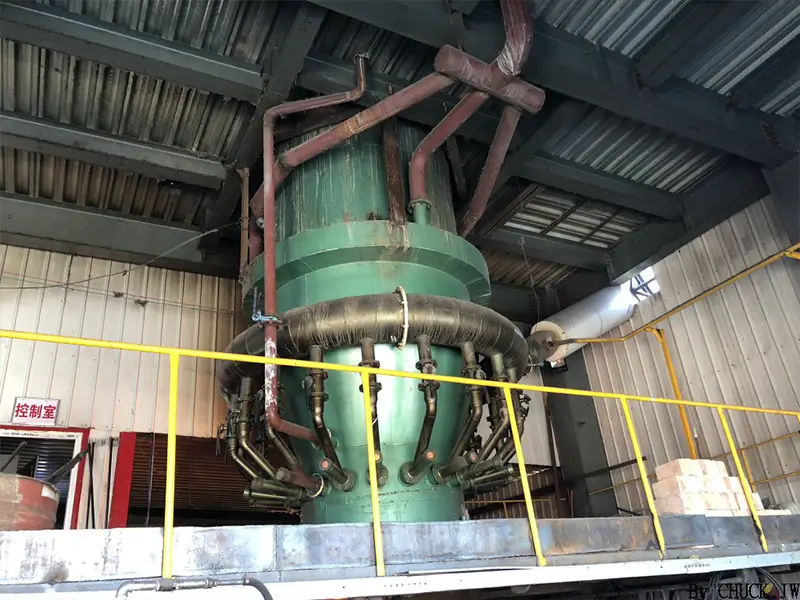
A Rock Wool line would often need a furnace that’s more robust — and thermal components stronger, refractory systems more durable. That can bump up the initial capital requirement. Glass wool lines could also involve significant investment, especially if they’re built around recycled feedstock preparation and strict quality control.
Thus, the true comparison is not “which machine costs less,” but rather what type of plant is being constructed and what product it needs to make.
Operating cost
Operating costs generally include energy consumption, refractory replacement, labor requirements, binder usage, dust collection and emissions control, and the frequency of maintenance. In most settings, rock wool can prove to be more energy intensive, although actual costs are highly dependent on furnace design and local utility pricing. Glass wool may sometimes provide a lower operating cost profile but this is not a guarantee.
Throughput and ROI considerations
A line with higher operating cost may still make sense if the target market can support premium products. That is often the case for Rock Wool in fire-rated or industrial applications. Glass wool may work better in high-volume, price-sensitive markets where broad insulation demand matters more than specialized performance.
Which Production Line Is Easier to Scale?
Scaling is not only about capacity. It is also about whether the plant can produce the right products consistently and at a commercial cost that makes sense.
When rock wool makes more sense
Rock wool production is often a strong fit when the market requires:
- fire resistance
- industrial-grade insulation
- higher-density boards
- non-combustible building materials
- strong mechanical performance
When glass wool makes more sense
Glass wool often fits markets where:
- lightweight insulation is preferred
- HVAC demand is strong
- acoustic products are common
- cost sensitivity is high
- recycled content is commercially attractive
The real scaling question
The more appropriate question is not usually which line is better in theory, but which line suits the target market, the available raw materials, the energy budget, and the plant’s maintenance capacity. Then, the right answer usually becomes much clearer.
How to Evaluate a Rock Wool Production Line Before Buying
Check out the actual operating conditions before you buy a line. What works well on paper might be really hard to run in practice if the local environment doesn’t match up.
Questions buyers should ask
- What annual output is required?
- What raw materials are available nearby?
- How stable is the energy supply?
- What product standards must be met?
- What maintenance expertise is available on site?
Practical selection checklist
A serious evaluation usually includes:
- furnace durability
- fiberizing consistency
- automation level
- emission-control system
- spare parts support
- service response time
- training support
- product changeover flexibility
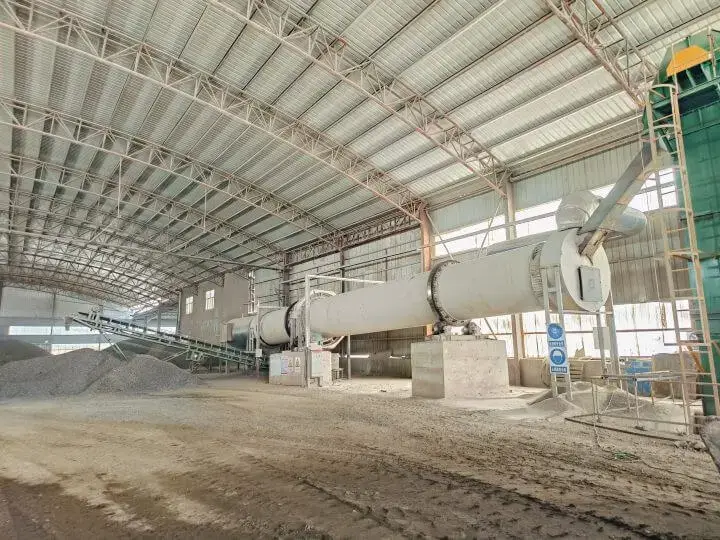
A line that is easier to stabilize, easier to maintain, and easier to service often ends up being the stronger investment.
Rock Wool Remains a Benchmark in Demanding Applications
In many applications, Rock Wool still stands out due to its fire resistance, thermal performance, and durability. That is one reason the category remains important in construction and industrial insulation. For a broader look at product benefits, see Rock Wool Insulation.
This is why mineral wool is still part of the key insulation families in modern building systems, a fact that can be easily explained with the help of public technical resources available from standards-oriented organizations and mineral wool associations. The general trend is apparent: in applications where fire performance and stability are critical, Rock Wool is usually in or around the top tier.
Conclusion
Rock wool and glass wool production lines share a common process framework, but the differences are meaningful. Rock wool generally calls for a stronger furnace and usually results in denser, more fire-resistant insulation. Glass wool often supports lighter products and can better fit HVAC, acoustic, and cost-sensitive applications.
For manufacturers, the right choice depends on the product strategy, energy budget, access to raw materials, and target market. Once those factors are clear, the better line usually becomes obvious.
FAQ
Can one mineral wool plant be adapted to produce both product types?
Sometimes, but the adaptation is rarely simple. Downstream equipment may be shared in some layouts, but the furnace, batching system, and fiberizing parameters usually need major adjustments.
What has the biggest impact on fiber quality during production?
Temperature stability and melt consistency usually have the strongest effect. If either drifts, the fiber diameter distribution changes and product quality can become uneven.
Do emissions systems differ much between rock wool and glass wool lines?
Yes, they often do in practice. Both need dust and gas control, but the exact particulate load and binder behavior can change filtration and treatment requirements.
If needed, we can create a flowchart or explanatory diagram to visualize the differences in the production line.




