
You use a single drum cotton collector to pick up loose fibers in rock wool production. This machine has a spinning drum that gathers fibers well. Engineers have made its design better over time. The newest models use advanced gear-driven systems, not old chain-driven ones. This makes the machine work better and need less fixing. With this machine, you get better quality and work faster in your rock wool production. For more information, see our article Where Is Rockwool Manufactured and Why It Matters for Builders?
Single Drum Cotton Collector Overview
Definition & Purpose
You use a single drum cotton collector to pick up loose fibers in rock wool production. This machine helps you gather fibers quickly. It forms the fibers into a smooth layer. The main job of the single drum cotton collector is to make rock wool felt better and more even. You need this equipment to keep your production line working well. It helps you reach high standards for insulation materials.
Tip: Using a single drum cotton collector gives you even fiber spread. This is important for making good products.
Key Components
Drum Structure
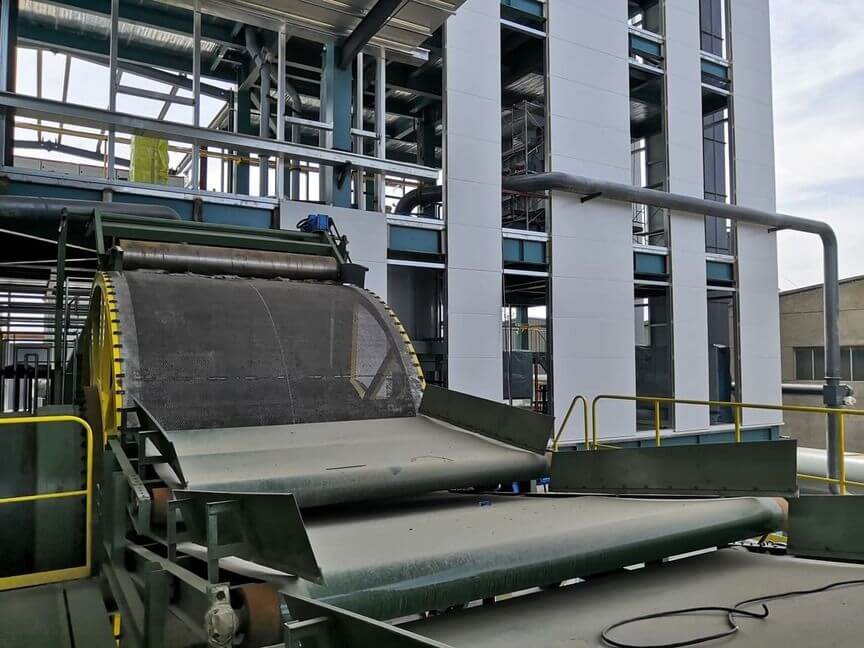
The drum is the main part of the single drum cotton collector. It looks like a big, spinning metal cylinder. The drum’s surface often has a special pattern or mesh. This helps the drum grab and hold fibers as they move through the machine. The drum’s size and speed change how well it picks up fibers and lays them down evenly.
Collection Mechanism
The collection mechanism works with the drum to pick up fibers from the air. As fibers float around, the drum turns and pulls them onto its surface. Suction or airflow systems help move the fibers toward the drum. When fibers stick to the drum, they travel with it until they reach the conveyor belt. Here, the fibers fall off and make a soft, even layer. This process lets you control how thick and dense the rock wool felt is.
Design Evolution
From Chain-Driven to Gear-Driven
Old single drum cotton collector models used chain-driven systems. Chains linked the motor to the drum and made it spin. Over time, chains can stretch, slip, or break. This causes uneven drum speed and more repairs. New single drum cotton collector designs use gear-driven systems. Gears connect the motor and drum directly. This change gives you smoother running and better control of drum speed.
Note: Gear-driven systems last longer and need fewer repairs than chain-driven ones.
Operational Improvements
Switching to gear-driven systems brings many good changes. You get more steady performance from your single drum cotton collector. The drum spins at a constant speed, so fiber collection and layering get better. Maintenance is easier because gears do not wear out as fast as chains. You also have less downtime, so your production line keeps moving. These changes help you handle more fiber and reach bigger production goals.
You can see that the single drum cotton collector has improved a lot over time. The new design features make your job easier and help you make better rock wool products. By learning how the drum, collection mechanism, and drive system work together, you can use this important equipment well in your factory.

Role in Rock Wool Production
Fiber Collection Process
You must collect fine rock wool fibers well to make good insulation. The single drum cotton collector sits after the fiber-forming step. Fibers float in the air, and the spinning drum pulls them in. Suction or airflow helps move fibers toward the drum. The collector grabs fibers and holds them on its surface. This step keeps the area clean and stops fiber loss. You get a steady flow of fibers for the next steps.
Tip: If your collector works well, you waste less fiber and keep your workspace safer.
Uniform Layering on Conveyor
After collecting fibers, the collector drops them onto a moving conveyor belt. The drum turns at a set speed, so fibers fall in a smooth layer. Even layering is needed for rock wool with the same thickness. You can change drum speed and suction to control how thick the fiber mat is. Uniform layering makes sure every part of the rock wool works the same. If you want high quality, you must keep the fiber layer even.
- Benefits of Uniform Layering:
- Same product thickness
- Better insulation
- Fewer problems in finished rock wool
Handling Large Volumes
Modern rock wool lines work fast and use lots of fibers each hour. The single drum cotton collector is made to handle big jobs. Its design lets you process fibers all the time without clogging or slowing down. You can trust the collector to handle heavy loads and keep things moving. When you handle lots of fibers well, you avoid slow spots and reach your goals.
Note: Good volume handling helps you finish on time and keep customers happy.
You help keep product thickness right and meet production needs by using the single drum cotton collector. This equipment makes sure every batch of rock wool meets your quality standards. You can count on the collector for fast, high-volume production and to help you stay ahead in the insulation market.
Impact on Product Quality
Consistent Thickness
Every batch of rock wool needs to be the same thickness. The single drum cotton collector helps you do this. The drum puts fine rock wool fibers on the conveyor in an even way. This makes sure each part of the mat is the same thickness. You can change the drum speed and suction to control the layer. When the thickness stays the same, there are no weak spots in your rock wool. Customers want insulation they can trust, and this technology helps you give it to them.
Tip: Keeping the thickness even means you have fewer defects and less waste in your production.
Improved Insulation Properties
Rock wool insulation works best when the fibers make a thick, even mat. The single drum cotton collector helps you build this mat. When you collect and layer fibers well, more air gets trapped inside. This trapped air makes your product keep heat in or out better. You also stop gaps and air pockets that can hurt insulation quality. Your clients want insulation that works well. You meet their needs by using equipment that spreads fibers evenly.
- Key Benefits for Insulation:
- Better thermal resistance
- Fewer cold or hot spots
- Higher customer satisfaction
Quality of Primary Felt
The primary felt is the first layer made in rock wool production. Its quality is important for the rest of the process. The single drum cotton collector gives you a smooth and even primary felt. This strong base helps with later steps like curing and cutting. If you start with good felt, your final products are better. You also lower the chance of problems when handling and shipping.
| Feature | With Single Drum Collector | Without Single Drum Collector |
|---|---|---|
| Felt Uniformity | High | Low |
| Defect Rate | Low | High |
| Production Efficiency | High | Low |
Note: A strong primary felt helps your production line run well and your products meet industry standards.
You can see the single drum cotton collector is very important in rock wool production. It helps you make products with steady thickness, strong insulation, and good felt. These things matter for your business and your customers.
Efficiency & Cost Benefits
Enhanced Automation
You want your rock wool production line to work fast and smooth. The single drum cotton collector helps you do this. It works with other machines in your factory. The collector picks up fibers and puts them down without stopping. You do not need to change settings all the time. Sensors and controls keep the drum spinning just right. You can set the machine for what you need. When you use automation, you get the same results every time.
Tip: Automated collectors help you meet big orders and make fewer mistakes.
Reduced Manual Labor
Manual work can slow things down and cause mistakes. The single drum cotton collector means workers do not need to handle fibers by hand. You do not have to move fibers or fix layers yourself. The machine does most of the job for you. This lets your team do other important work. Fewer people on the line also makes things safer. You lower the chance of getting hurt by sharp or hot fibers.
- Benefits of less manual labor:
- Fewer people get hurt at work
- More time for skilled jobs
- Better focus on checking quality
Lower Operational Costs
You want to save money and keep your line strong. The single drum cotton collector helps you spend less in many ways. Automated machines use less power because they work well. You pay less for repairs since gear-driven parts last longer. You also waste fewer fibers, so you save on materials. With less manual work, you spend less on pay and training. All these savings add up over time.
| Cost Area | With Collector | Without Collector |
|---|---|---|
| Labor Costs | Low | High |
| Maintenance | Low | High |
| Material Waste | Low | High |
Note: Lower costs help you give better prices and stay ahead of others.
You can see the single drum cotton collector does more than collect fibers. It helps you use machines, cut down on hand work, and save money. These things make your rock wool better for customers. You also make your insulation work better by keeping the process steady and smooth.
Comparison with Other Collectors
Single Drum vs. Multi-Drum
You might ask how a single drum cotton collector is different from a multi-drum collector. Both machines help collect fibers in rock wool production. But they do not work the same way.
- Single Drum Collector:
This machine uses one big drum to pick up and layer fibers. It is simple to use and easy to fix. You can change the drum speed to control the fiber layer. The machine gives you even layers and steady results. - Multi-Drum Collector:
This machine has a few smaller drums lined up. Each drum picks up and layers fibers in steps. It can work faster and make more complex layers. You need more room and more fixing for these machines.
| Feature | Single Drum Collector | Multi-Drum Collector |
|---|---|---|
| Operation | Simple | Complex |
| Maintenance | Easy | More Frequent |
| Space Needed | Less | More |
| Layer Control | Good | Very Good |
| Cost | Lower | Higher |
Tip: If you want a machine that is easy to use and fix, the single drum collector is a good choice.
Alternative Collection Methods
There are other ways to collect fibers in rock wool production. Some factories use belt collectors or cyclone separators.
- Belt Collectors:
These machines use moving belts to catch fibers. They are easy to use but may not work well with very fine fibers. The fiber layer may not be as smooth as with a drum collector. - Cyclone Separators:
These machines use spinning air to pull fibers out of the air. They work fast, but you might lose more fibers. The fiber mat may not be as even. - Manual Collection:
Some small factories use hand tools to collect fibers. This takes more time and work. The layers can be uneven and you may waste more fibers.
Note: Drum collectors help you control the fiber layers better and waste less fiber.
When to Choose Single Drum
Pick a single drum cotton collector if you want:
- A machine that is easy to use and learn
- Steady results with less stopping
- Lower costs for fixing and care
- Even fiber layers for good rock wool
- A small machine that fits in tight spaces
If your factory needs steady work and you want easy care, the single drum collector is a smart pick. You can make good products and keep your work running well.
Remember: The right collector helps you make better insulation and keeps your business strong.
Conclusion
You count on the single drum cotton collector to pick up fibers. It helps make smooth layers in rock wool production. The machine used to have chain-driven parts. Now it uses gear-driven systems. This change makes your work easier and more steady. You stay safer and throw away less material with this equipment. Using it helps you make strong building material that follows tough rules. Know that this machine is important for fast and smart manufacturing.




