
Knowing where building materials are made can help builders a lot. Builders want products that are always good, easy to get, and good for the planet. If a builder picks rock wool made near the work site, it can arrive faster and work better.
Builders who know where their materials come from can save money and help the environment more easily.
Rock Wool Manufacturing Locations

Global Sites for Rock Wool Manufacturing
China
China’s rock wool production facilities operate as strategic manufacturing hubs that serve both domestic and international markets, offering large-scale capacity and strong logistical advantages. These plants are designed to efficiently supply insulation materials to major construction projects while reducing lead times and transportation costs for buyers across different regions. By integrating automated production lines, advanced forming techniques, and rigorous quality checks, the facilities maintain strict consistency in output and ensure that every batch of rock wool meets performance expectations. The advanced cutting section in these facilities ensures precise dimensional accuracy for all rock wool products, meeting specific project requirements and supporting reliable installation on site.
Beyond efficiency, Chinese manufacturers emphasize innovation and sustainability, adopting modern protocols that align with diverse building codes and international standards. Local expertise in rock wool production contributes to product reliability, technical support, and customization options that many B2B buyers require for large-scale projects. The combination of advanced equipment, attention to detail in forming and finishing, and a commitment to quality has positioned China as a critical sourcing base for insulation. For construction professionals and procurement managers, choosing Chinese rock wool facilities means benefiting from stable supply chains, dependable delivery schedules, and insulation solutions that enhance building efficiency, safety, and compliance.
Denmark
Denmark is a big place for making rock wool. Factories there use local stone and new machines. They make insulation that is very good. It meets strict rules in Europe. Builders in Europe like Danish rock wool. It is close and easy to ship. This means it gets to them fast and does not cost too much.
Sweden
Sweden also makes a lot of rock wool. Factories use local resources and follow tough rules. Many buyers in Northern Europe trust Swedish rock wool. It works well and is always reliable. Sweden cares about clean energy and making things in a green way. This makes Swedish rock wool good for green building.
United States
The United States makes a lot of rock wool now. Factories here help both local and other countries. U.S. rock wool means builders do not wait long for shipping. They also do not pay high import costs. Many buyers in North America pick U.S. rock wool. It helps local jobs and keeps supply steady.
Why Location Matters
Quality
Builders know where a product is made can change how it works. If a factory is close to the job site, insulation gets there fast and safe. Local factories use materials that fit the area’s weather. This helps builders trust what they get. They do not worry about long trips hurting the insulation.
Factories in different places have their own rules for making rock wool. Some places check more and use better machines. This makes the insulation last longer and work better. Builders who pick local products see fewer problems. They get the same good quality each time, which helps them plan.
Tip: Builders who want fewer problems should ask where the factory is before buying insulation.
Supply Chain
A strong supply chain keeps projects moving fast. If insulation comes from a nearby factory, shipping is quick. Builders can order what they need and get it soon. This helps them avoid delays and saves money. Local factories also mean less risk from bad weather or shipping issues.
Here are some ways local factories help the supply chain:
- Delivery to job sites is faster
- Shipping costs are lower
- Less chance of damage during shipping
- Easier to handle last-minute changes
B2B buyers often need to change orders. Local factories can help faster. This helps builders finish on time. It also makes planning and budgeting easier.
Note: Local supply chains help builders stay on time and save money.
Codes and Standards
Every place has its own building codes. Factories near the job site know these rules. They make products to fit local standards. This helps builders pass checks and avoid costly fixes.
Builders who use local rock wool do not worry about missing code rules. The insulation fits fire safety, energy, and other rules. Local factories also keep up with new laws. This means builders always get what inspectors want.
| Benefit | Local Manufacturing | Distant Manufacturing |
|---|---|---|
| Meets local codes | ✅ | ❌ |
| Faster compliance | ✅ | ❌ |
| Easier inspections | ✅ | ❌ |
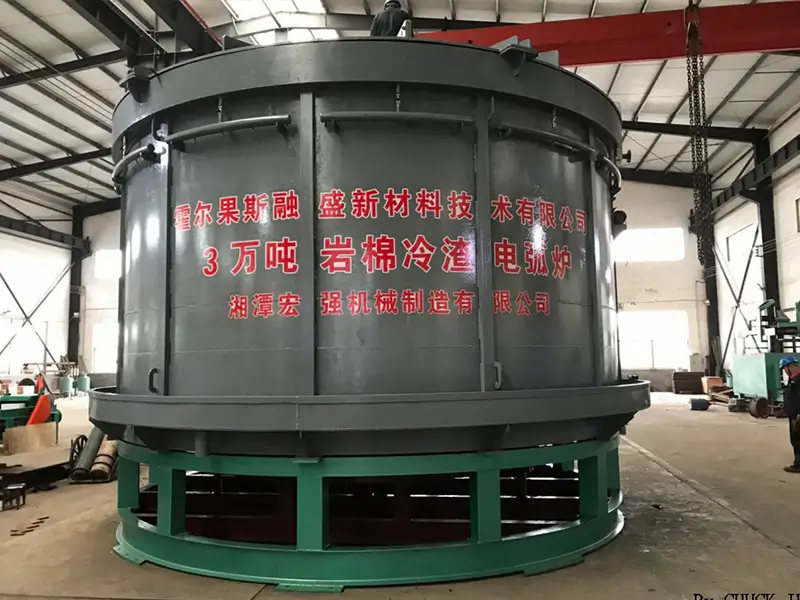
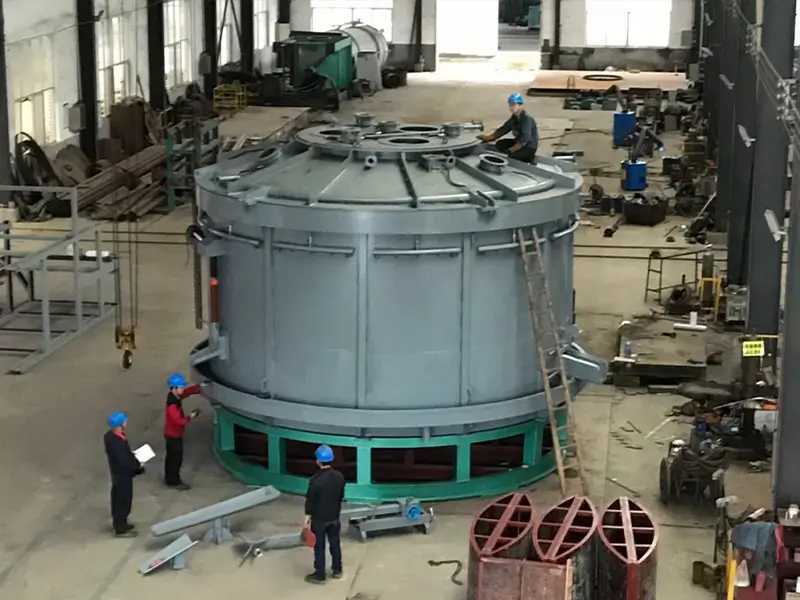
Picking insulation made nearby helps builders avoid code problems. It saves time and money on the project. Many local plants use an electric furnace to meet strict environmental codes while maintaining consistent product quality.
Alert: Always check if the insulation fits local rules before you start building.
Rock Wool Performance

Thermal
Rock wool is great at keeping heat in or out. Builders want insulation that keeps buildings comfy all year. This material holds heat inside during cold months. In summer, it stops heat from coming in. The fibers slow down how heat moves. Less energy gets out through walls and roofs.
Many buyers want insulation that lowers energy bills. Rock wool helps make buildings use less energy. It works in homes, offices, and factories. Builders put it in walls, attics, and ceilings. Its thermal power helps meet green goals and supports saving energy.
Tip: Good thermal insulation can help businesses spend less on heating and cooling.
Fire Resistance
Safety is important on every job site. Rock wool is strong against fire. It is made from stone, so it does not burn easily. Builders pick it for projects with strict fire codes. It slows flames and keeps people safe inside.
Fire-resistant insulation helps buyers meet safety rules. Rock wool stays strong even when it gets very hot. Builders use it in schools, hospitals, and big buildings. Its fire resistance helps pass checks and gives peace of mind. Modern factories often use a thermal polymerization furnace to improve the stability and thermal efficiency of rock wool products.
| Feature | Benefit for Builders |
|---|---|
| Non-combustible | Meets fire safety codes |
| High melting point | Protects building assets |
| Stable under heat | Reduces fire risk |
Alert: Always check fire ratings before picking insulation for your project.
Soundproofing
Noise control matters in many buildings. Rock wool helps stop sound between rooms and floors. Its thick fibers soak up sound waves and block noise. Builders use it in hotels, offices, and apartments to make quiet spaces.
Many buyers want insulation for privacy and comfort. Rock wool works in walls, ceilings, and floors. It blocks traffic, machines, and voices. Builders can meet client needs for peaceful places.
- Soundproofing with rock wool makes tenants happier.
- It helps workers in busy places.
- Builders use it to meet sound rules in big projects.
Note: Ask about sound ratings when planning insulation for noisy buildings.
Moisture Resistance
Water can cause lots of trouble in big buildings. Builders know water damage can lead to mold and rot. Fixing these problems costs a lot of money. That is why many project managers want insulation that can handle water. Rock wool is good at stopping water, so it is a smart pick for many buildings.
Rock wool does not soak up water like some other insulation. Its thick fibers help stop water from getting into walls or ceilings. If there is rain or a leak, rock wool keeps working well. It keeps its shape and still protects the building. This helps keep the inside dry and safe.
Many buyers want materials that last a long time. Rock wool’s water resistance means it does not get ruined by damp air. Builders can use it in basements, roofs, and outside walls. They do not have to worry about mold or mildew. This makes rock wool a good choice for wet or humid places.
Tip: Insulation that resists water can lower repair costs and keep people happy.
Here are some ways rock wool helps with water problems:
- It keeps its heat and sound power even if it gets wet.
- It dries fast if it gets damp, so it does not stay wet.
- It does not let mold grow, which keeps the air clean.
- It helps protect the building from water damage.
Project managers must follow strict rules for water safety. Rock wool helps them pass checks because it does not lose strength when wet. This can save time and money during building.
| Feature | Benefit for B2B Buyers |
|---|---|
| Water repellency | Reduces risk of mold |
| Fast drying | Maintains insulation value |
| Mold resistance | Improves indoor air quality |
| Structural protection | Lowers repair costs |
Builders who use rock wool see fewer problems with water damage. They also find it easier to meet green building rules. Water resistance is one more reason rock wool is a top choice for commercial insulation.
Note: In rainy or humid places, water-resistant insulation can help buildings last longer and work better.
Sustainability

Eco-Friendly Production
Many builders want materials that help the Earth. Rock wool makers know this and try to help. They use smart ways to make less waste and save energy. Most factories recycle leftover stone and use it again. An advanced rock wool production line is designed to recycle raw materials efficiently and reduce industrial waste. This keeps landfills empty and saves resources. Some plants use clean energy like wind or solar power.
B2B buyers want products that meet green goals. Eco-friendly production helps get certifications for green projects. When factories care about the planet, builders can show clients they make good choices.
Tip: Ask suppliers about their green steps. This can help your project stand out.
Local Resources
Factories that use local stone and sand help the planet. They do not need to ship materials from far away. This means fewer trucks and less pollution. Local resources also fit the area’s weather and needs.
Builders like to know where materials come from. Using local resources helps nearby businesses and workers. It also keeps costs steady, even when prices change elsewhere. B2B buyers can plan better with a strong local supply chain.
Here are some benefits of using local resources:
- Less pollution from shipping
- More jobs for local workers
- Better fit for local building needs
Carbon Footprint
Many companies want to lower their carbon footprint. Rock wool factories help by making insulation close to where it will be used. This means fewer trucks and less fuel burned. Local production also means less packaging waste.
Some plants use new technology to save energy. They recycle heat from the process and use it again. This saves power and lowers greenhouse gas emissions. Builders who pick local insulation help their projects meet green standards.
| Sustainability Benefit | How It Helps B2B Buyers |
|---|---|
| Lower emissions | Meets green building goals |
| Local sourcing | Stronger, more reliable supply |
| Energy savings | Reduces long-term project costs |
Note: Picking insulation made with care for the planet can help your business win more green projects.
Conclusion
Builders get many good things when they know where rock wool is made. Making rock wool close by means better quality and a strong supply chain. It also helps builders reach green building goals. Getting insulation from nearby helps projects go well and pass codes faster.
- Always look at where the product comes from before you buy.
- Pick wisely for your next building job.
Tip: B2B buyers who check where materials are made can save time, spend less money, and get better results.




