
Mineral wool is often praised for being fire-resistant, water-repellent, and a good sound insulator. And it deserves that praise, mostly. But no building material is perfect. Walk into any job site where mineral wool is being installed, and the workers will have complaints. Itchy. Heavy. Annoying to cut. And those are just the surface-level issues.
Having spent time around both contractors and homeowners who’ve used mineral wool, the disadvantages are real. Not deal-breakers for everyone, but worth knowing before specifying it for a project. This is an honest look at where mineral wool falls short.
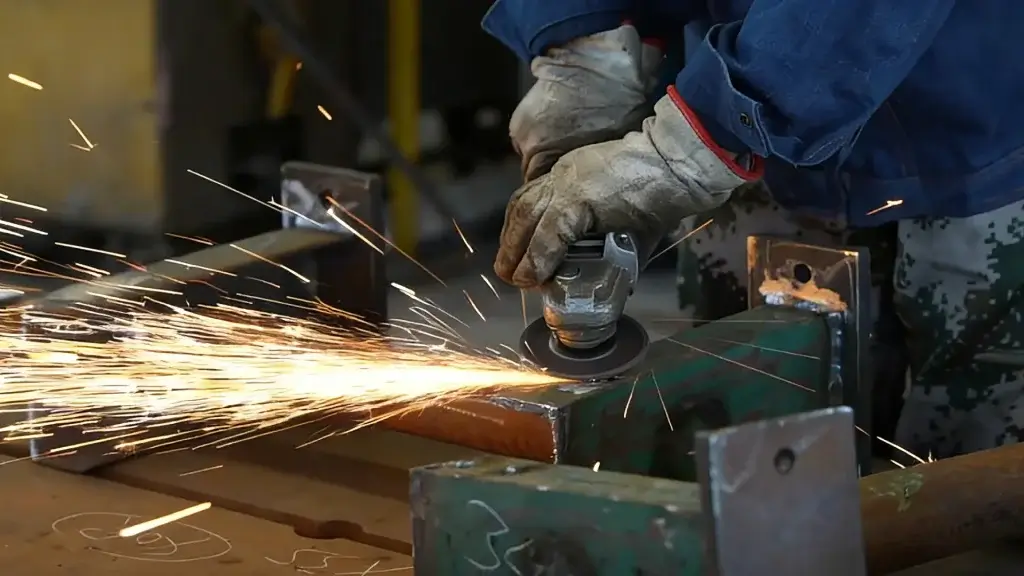
Cost Disadvantages of Mineral Wool
The first thing most people notice is the price. Mineral wool costs more than fiberglass batts. Sometimes significantly more.
Higher Material Cost
On a per-square-foot basis, mineral wool typically runs 20–50% higher than comparable fiberglass insulation. For a typical attic job of 1,500 square feet, that difference can be $300–$600. For a whole house, even more.
Why the price gap? Mineral wool is more energy-intensive to manufacture (melting rock at 2,800°F isn’t cheap). It’s also denser, so more material goes into each batt. And there are fewer manufacturers, so less competition.
Limited Availability
In many areas, mineral wool isn’t stocked at local home centers. It has to be ordered or sourced from specialty suppliers. That adds shipping costs and lead time. Fiberglass is on the shelf at every Lowe’s and Home Depot. Mineral wool often isn’t.
From an observational standpoint, this lack of availability pushes many DIYers and even contractors toward fiberglass simply because it’s easier to get.
Handling and Installation Challenges
Anyone who has installed mineral wool knows it’s not the easiest material to work with.
Itchiness and Skin Irritation
The itch is real. Mineral wool fibers are coarser and stiffer than fiberglass. They irritate skin, and the irritation can last longer than fiberglass itch. Long sleeves, gloves, and a mask are non-negotiable. Even then, some people find that fibers work their way through clothing.
One contractor put it this way: “Fiberglass makes me itch for an hour. Mineral wool makes me itch for the rest of the day.” Not everyone has that reaction, but it’s common enough to mention.
Difficulty Cutting
Mineral wool doesn’t cut cleanly with a utility knife the way fiberglass does. It’s denser and springier. The best tool is a serrated knife—specifically, an insulation saw or a bread knife. Even then, the edges fray. Getting a tight fit around electrical boxes or irregular framing takes more time.
A few cutting methods that work:
• Serrated insulation knife (slow but precise)
• Large shears or scissors (okay for thin batts)
• Electric carving knife (surprisingly effective, but messy)
Dust and Particles
Cutting mineral wool releases dust. Not the visible cloud that fiberglass creates, but fine particles that hang in the air. A good mask (N95 or better) is essential. In confined spaces like attics, the dust can be irritating to eyes and lungs even without cutting.
Weight
Mineral wool is heavy. A typical R-15 batt for a 2×4 wall weighs about 30% more than a comparable fiberglass batt. That doesn’t sound like much, but carrying dozens of batts up a ladder to an attic adds up. For large jobs, fatigue is a real factor.
Health and Safety Concerns
There’s been a lot of discussion about the health effects of mineral wool fibers. The short answer is that modern mineral wool is considered safe, but the history is complicated.
Historical Concerns
Older mineral wool products (pre-1990s) sometimes contained slag that had higher levels of heavy metals. And early manufacturing processes produced fibers that were more brittle and potentially more respirable. Those products have been off the market for decades.
Modern Classification
Current mineral wool is classified by the International Agency for Research on Cancer (IARC) as “not classifiable as carcinogenic to humans” (Group 3). That’s the same classification as pickles and coffee. The fibers are too large to be inhaled deep into the lungs, and they dissolve in lung fluid.
That said, acute irritation is real. The fibers can cause temporary skin, eye, and respiratory irritation during installation. Once installed and covered, there’s no ongoing exposure risk.
Formaldehyde Binders
Some mineral wool products use phenol-formaldehyde binders. The curing process drives off most of the formaldehyde, but trace amounts remain. For people with chemical sensitivities, this can be an issue. Most major manufacturers now offer formaldehyde-free or bio-based binder options, though they cost more.
Performance Limitations
Even where mineral wool performs well, it has limits.
Not a Vapor Barrier
Mineral wool is vapor-permeable. That’s usually a benefit—it allows walls to dry. But in applications where a vapor retarder is needed (cold climates, basements), mineral wool needs a separate vapor barrier. Fiberglass faced with kraft paper has the barrier built in. Mineral wool typically doesn’t.
Settling Over Time
Low-density mineral wool (used in attics and loose-fill applications) can settle over decades. The manufacturer’s settled R-value is usually lower than the initial R-value. Fiberglass also settles, but mineral wool’s density makes the effect slightly different. Not a major issue for wall cavities, but worth knowing for attics.
Compression Loss
Like all insulation, mineral wool loses R-value when compressed. If a batt is too wide for a cavity and gets squished in, the performance drops. Because mineral wool is stiffer, it’s easier to accidentally over-compress it when forcing it into a tight space.
Installation Cost Comparison
Here’s a rough comparison of installed costs for different insulation types.
| Insulation Type | Material Cost (per sq ft, R-15) | Installation Difficulty | DIY-Friendly? |
|---|---|---|---|
| Fiberglass batts | $0.50–0.80 | Moderate | Yes, with care |
| Mineral wool batts | $0.80–1.20 | Moderate-High | Yes, but harder |
| Spray foam | $1.50–3.00 | Professional only | No |
| Cellulose (blown) | $0.60–1.00 | Professional or rental | Moderate |
The labor cost for installing mineral wool is often higher than fiberglass because it takes more time to cut and fit. Contractors may charge a premium for mineral wool installs.
Environmental Drawbacks
Mineral wool is often marketed as environmentally friendly. It’s made from natural rock and recycled slag. That’s true. But there are trade-offs.
High Embodied Energy
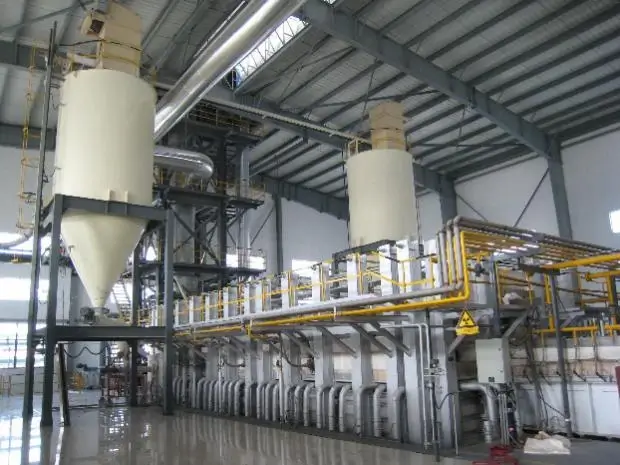
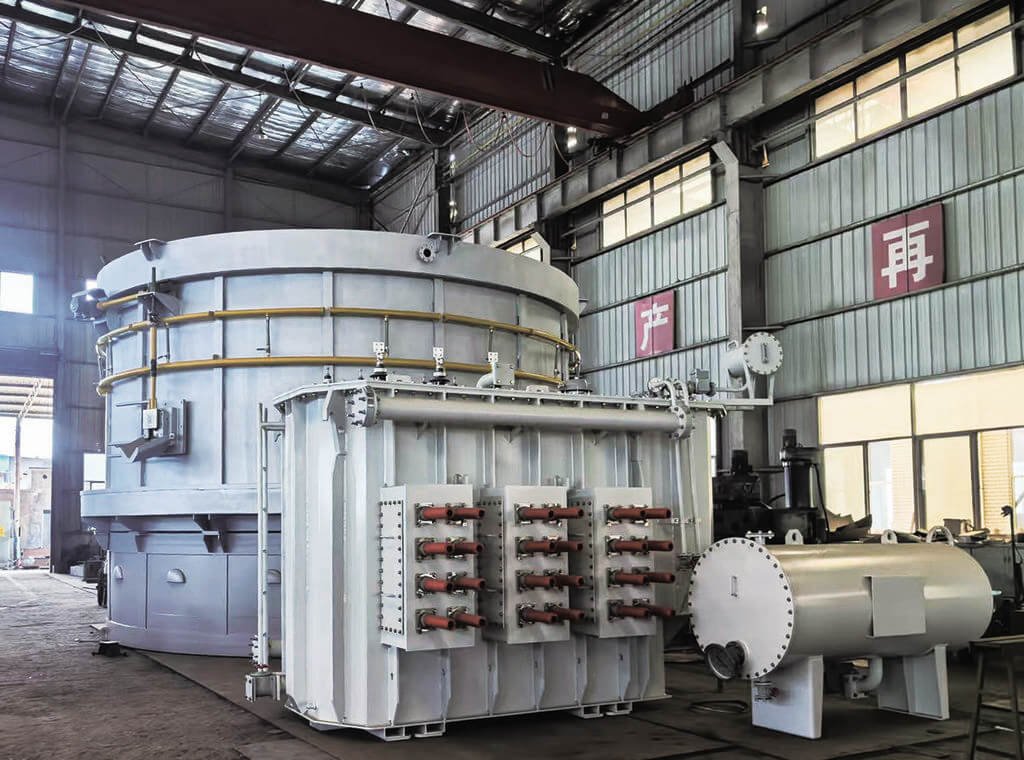
Making mineral wool requires melting rock at very high temperatures. That takes a lot of energy—mostly natural gas or electricity. The carbon footprint of mineral wool is higher than fiberglass and much higher than cellulose (which is mostly recycled paper).
Not Biodegradable
Once installed, mineral wool lasts essentially forever. That’s good for durability but bad for disposal. It doesn’t break down in landfills. Fiberglass also doesn’t biodegrade, but cellulose does. Some mineral wool can be recycled, but recycling facilities are rare.
Shipping Weight
Because mineral wool is heavy, transporting it burns more fuel per square foot than lighter insulation. For projects far from a manufacturing plant, the transportation carbon footprint can be significant.
When Mineral Wool Might Not Be Worth It
Given these disadvantages, when should someone skip mineral wool?
• Tight budget: The higher material and labor cost adds up. Fiberglass will perform adequately for most applications.
• DIY project without experience: Cutting and fitting mineral wool is frustrating for a first-timer. Fiberglass is more forgiving.
• Large attic floor: For simple attic insulation, blown-in cellulose or fiberglass is cheaper, faster, and less physically demanding.
• People with severe skin sensitivities: Some individuals react badly to mineral wool fibers. Fiberglass or cellulose might be better tolerated.
That said, mineral wool still wins for fire resistance, soundproofing, and moisture tolerance. Those benefits are real. The disadvantages don’t make it a bad product—just a product with trade-offs like any other.
If you want to know more about mineral wool, please read What is a mineral wool?
FAQ
Is mineral wool more itchy than fiberglass?
Most people find mineral wool itchier. The fibers are coarser and stiffer, and the irritation often lasts longer. Proper PPE (gloves, long sleeves, mask) is essential.
Is mineral wool dangerous to health?
Modern mineral wool is classified as not carcinogenic. However, it can cause temporary skin, eye, and respiratory irritation during installation. Once installed and covered, there is no ongoing health risk.
Can mineral wool get wet and still work?
Yes, mineral wool is water-repellent and does not absorb moisture like fiberglass. It can get wet and dry out without losing R-value or growing mold. That said, prolonged standing water is never good for any insulation.




