
Rock wool manufacturing starts with melting. That’s the first step, the hot step, the step that determines everything that follows. And the furnace choice—cupola or electric—shapes the entire production line. Walk into any rock wool plant, and the furnace type is the first thing a visitor notices. Not just because of the heat, but because the whole layout, the emissions equipment, the energy bill, and even the fiber quality all trace back to that decision.
Having seen both technologies in operation, there’s no single “right” answer. Cupolas have been around forever. Electric furnaces are newer, cleaner, but more expensive to run. This is a look at how they compare for rock wool production lines.
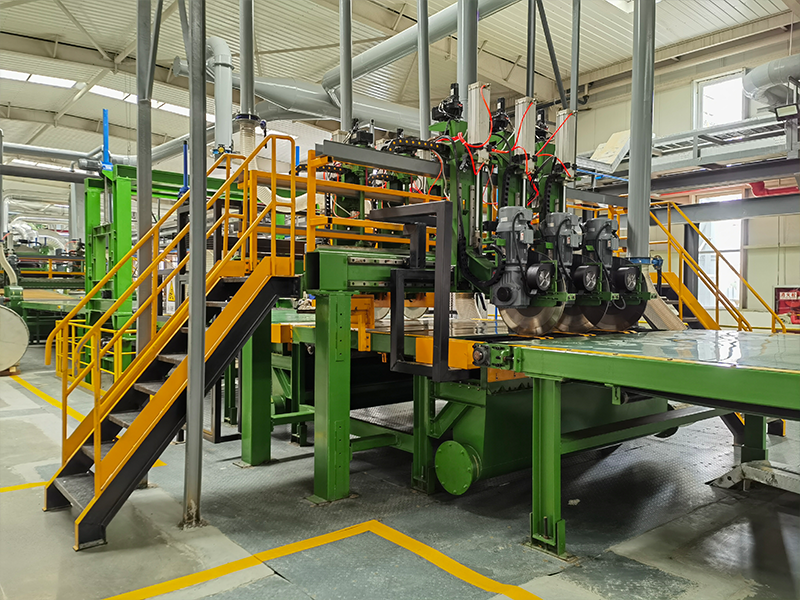
Overview of Furnace Options for Rock Wool Production Lines
Before diving into details, it helps to understand what each furnace does. Both melt rock and slag into a liquid at around 1,500°C (2,700°F). Both feed molten material to the fiberizing spinners. But how they get there is very different.
The Cupola Furnace
A cupola is essentially a vertical shaft furnace. Coke (a form of carbon) is burned at the bottom. Rock, slag, and limestone are loaded from the top. Air is blown in through tuyeres near the bottom, and the coke burns, melting the rock as it travels down. The molten rock collects at the bottom and flows out through a tap hole.
Cupola furnaces have been used for melting rock for over a century. They’re simple, robust, and can run continuously for weeks or months.
The Electric Furnace
An electric furnace uses electricity to generate heat. There are two main types: resistance furnaces (heating elements in the walls or roof) and arc furnaces (electrodes arc directly through the melt). The rock is loaded from the top or fed continuously, and the electric current melts it.
Electric furnaces are cleaner—no coke, no combustion gases mixing with the melt—but they require significant electrical infrastructure.
Energy Efficiency and Operating Costs
This is where the two furnace types diverge sharply.
| Factor | Cupola Furnace | Electric Furnace |
|---|---|---|
| Energy source | Metallurgical coke | Electricity |
| Typical energy consumption | 3.5–4.5 GJ per ton of melt | 2.8–3.5 GJ per ton of melt |
| Energy cost (typical regions) | Lower (coke is cheap) | Higher (electricity varies) |
| Thermal efficiency | 50–60% | 70–85% |
| Standby capability | Poor (must run continuously) | Good (can be turned down or off) |
Cupola Operating Costs
Coke is relatively cheap in most parts of the world. A cupola running on coke has low fuel costs. However, cupolas are inefficient. A lot of heat goes up the stack with the exhaust gases. And they cannot be turned down easily—once running, they really want to keep running. Shutting down and restarting a cupola takes hours and wastes a lot of fuel.
Electric Furnace Operating Costs
Electric furnaces are more efficient—more of the energy goes into melting the rock rather than heating exhaust gas. But electricity is usually more expensive than coke per unit of energy. The operating cost depends heavily on local electricity prices. In regions with cheap hydro or nuclear power, electric furnaces can be competitive. In regions with coal-fired electricity, cupolas often win on fuel cost.
What’s been observed in the industry: cupolas dominate in China and other coal-rich regions. Electric furnaces are more common in Europe where electricity is sometimes cheaper relative to coke and emissions regulations are stricter.
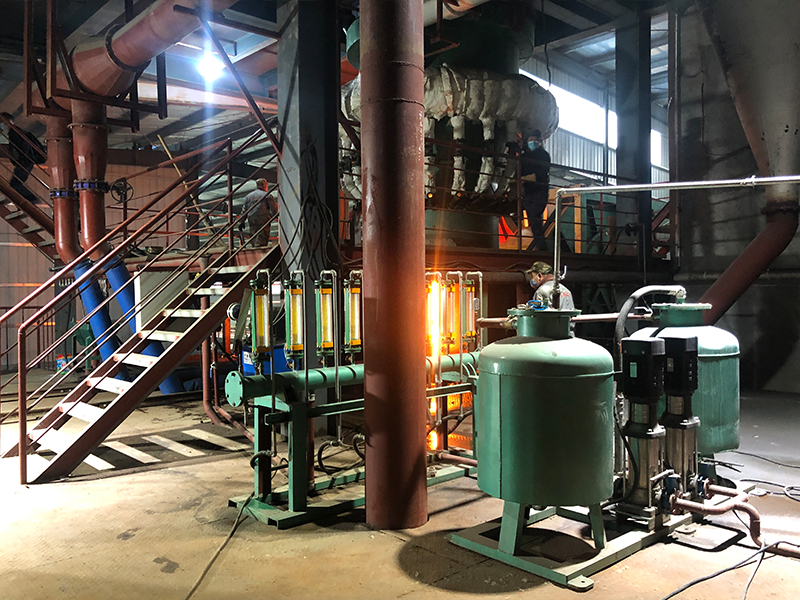
Product Quality and Consistency
The furnace type affects the molten rock chemistry. That affects fiber quality.
Cupola Chemistry
In a cupola, the melt is exposed to the combustion gases. Carbon from the coke can dissolve into the melt, increasing the carbon content of the rock. That changes the viscosity of the melt, which affects how it fibers. Some producers say cupola melt produces slightly coarser fibers. Others don’t notice a difference.
The bigger issue is variability. Cupola conditions drift over time. The coke bed height changes. The air flow varies. The melt composition isn’t perfectly constant. For rock wool production lines, that means occasional adjustments to the fiberizing process.
Electric Furnace Chemistry
An electric furnace produces a cleaner melt. No combustion gases contact the rock. The composition is more consistent, and the melt has lower carbon and sulfur content. That translates to more consistent fiber diameter and fewer defects.
From an observational standpoint, electric furnace melt tends to be more uniform. For high-end products like horticultural rock wool or high-performance insulation, that consistency is valuable. For standard building insulation, the difference may not matter.
Emissions and Environmental Impact
Environmental regulations are getting tighter everywhere. This is where cupolas struggle.
Cupola Emissions
A cupola burning coke produces:
- CO₂ (lots of it)
- CO (carbon monoxide, if combustion is incomplete)
- SO₂ (from sulfur in the coke)
- NOx (from high-temperature combustion)
- NOx (from high-temperature combustion)
- Particulate matter (fly ash and rock dust)
- Volatile organic compounds (from any binders or contaminants)
Modern cupolas have extensive emissions controls: baghouses, scrubbers, and sometimes selective catalytic reduction for NOx. But that equipment is expensive to install and operate.
Electric Furnace Emissions
An electric furnace has no combustion, so no CO₂, CO, SO₂, or NOx from the furnace itself. The emissions are limited to:
- Particulate matter (from rock dust)
Trace gases from any organic materials in the feed
The electricity source matters indirectly—a coal-fired power plant creates emissions elsewhere. But at the plant gate, electric furnaces are much cleaner.
For rock wool production lines in areas with strict air quality rules, the electric furnace is often the only practical choice. The cost of emissions control on a cupola can be prohibitive.
Installation and Space Requirements
The two furnaces have very different footprints.
Cupola Installation
A cupola is tall—often 15–20 meters (50–65 feet) from the charging floor to the tap hole. It needs:
• A charging system (elevator or conveyor to the top)
• A coke storage area
• Air handling and emissions control equipment
• Slag handling for the tap hole
Cupolas are compact in footprint but tall. They fit well in plants with high ceilings or outdoor installation.
Electric Furnace Installation
An electric furnace is wider and lower. A typical electric furnace might be 5–8 meters tall. But it needs:
1. Large electrical
2. substation and transformers
3. High-voltage power feed (often 11 kV or higher)
4. Electrode handling equipment (for arc furnaces)
5. Cooling systems for the furnace shell and electrodes
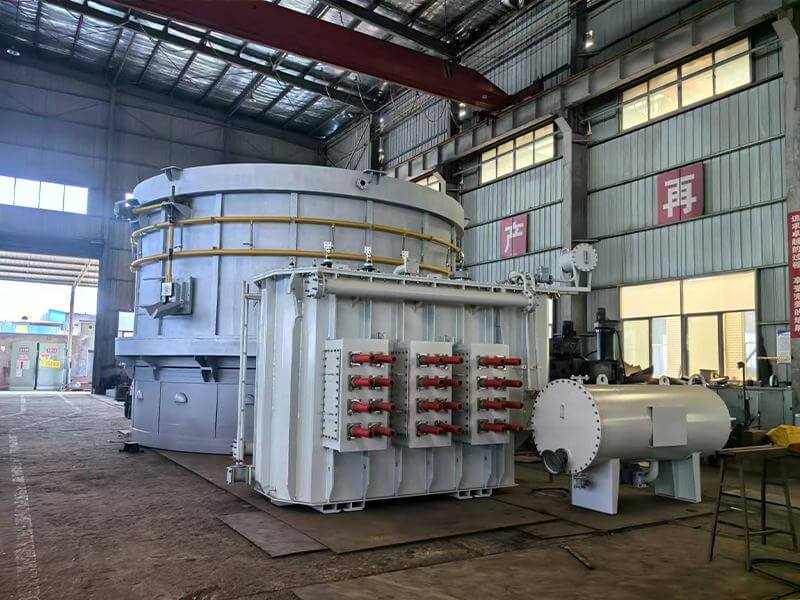
The electrical infrastructure is expensive. A large electric furnace might need 10–20 MW of power. That requires a dedicated substation and a strong grid connection. Not every site has that.
Maintenance and Reliability
Both furnace types require regular maintenance, but the patterns are different.
Cupola Maintenance
Cupola maintenance is intensive but predictable:
• Daily: Tuyere cleaning (air injection ports)
• Weekly: Inspect refractory lining
• Monthly: Replace worn tuyeres
• Campaign end (2–6 months): Complete refractory rebuild
Cupolas run in campaigns. After a few months, the refractory wears out, and the furnace is shut down for a week or two to rebuild the lining. That downtime is planned, but it’s downtime.
Electric Furnace Maintenance
Electric furnaces run longer campaigns—often 12–24 months between major rebuilds. But they have different maintenance needs:
• Weekly: Inspect electrodes (arc furnaces) or heating elements (resistance furnaces)
• Monthly: Check water cooling systems
• Quarterly: Inspect electrical connections
• Campaign end: Refractory rebuild, electrode replacement
The refractory in an electric furnace lasts longer because there’s less mechanical erosion from the coke bed. But when something fails—like a water-cooled panel—the repair is often urgent and expensive.
Which One Is Right for Your Rock Wool Production Line?
The decision comes down to a few key questions.
Choose a cupola furnace if:
1. Coke is cheap and readily available
2. Emissions regulations are moderate
3. The plant can handle the height and charging system
4. Planned shutdowns every few months are acceptable
5. Initial capital cost is a major constraint (cupolas are cheaper to build)
Choose an electric furnace if:
1. Electricity is reasonably priced
2. Emissions rules are strict
3. Product consistency is critical (high-end applications)
4. The site has strong grid power available
5. Lower maintenance and longer campaigns are valuable
A few rock wool production lines have tried hybrid approaches—preheating the rock with waste heat from the cupola, or using electric boost to improve cupola efficiency. Those exist, but they’re not common.
The trend in Europe and North America has been toward electric furnaces as emissions rules tighten and coke prices become less predictable. In developing regions, cupolas remain the workhorse.
FAQ
Which furnace is cheaper to build for a rock wool production line?
A cupola furnace has lower initial capital cost—typically 30–50% less than an electric furnace of the same capacity. The electrical infrastructure for an electric furnace adds significant cost.
Can a cupola furnace produce the same quality rock wool as an electric furnace?
For standard building insulation, yes. For high-end applications requiring very consistent fiber diameter and low shot content, electric furnaces produce a more uniform melt and therefore more consistent product.
How long does each furnace type last before major rebuild?
Cupola campaigns typically last 2–6 months between refractory rebuilds. Electric furnace campaigns run 12–24 months. The overall furnace structure in both types can last 20+ years with proper maintenance.
A cupola furnace has lower initial capital cost—typically 30–50% less than an electric furnace of the same capacity. The electrical infrastructure for an electric furnace adds significant cost.
For standard building insulation, yes. For high-end applications requiring very consistent fiber diameter and low shot content, electric furnaces produce a more uniform melt and therefore more consistent product.
Cupola campaigns typically last 2–6 months between refractory rebuilds. Electric furnace campaigns run 12–24 months. The overall furnace structure in both types can last 20+ years with proper maintenance.




