
Choosing a furnace for a stone wool line sounds like it should be straightforward: find the right capacity, check the price, and move forward. In practice, though, it rarely works that cleanly. The melting furnace sits at the very beginning of the production process, and the decisions made here tend to echo through every section downstream. A furnace that melts inconsistently or burns through fuel creates problems that no amount of adjustment later can fully fix.
To select a cupola furnace for stone wool lines, match the furnace melting capacity to the planned line output, then compare coke consumption, melt-temperature stability, emission-control requirements, refractory life, maintenance access and automation level. The right furnace is not simply the largest model—it is the one that can supply stable molten material to the fiberizing section at the required production rate and operating cost.
That is why selecting a Cupola Furnace for Stone Wool Lines deserves more thought than it sometimes gets. It is not just about melting rock — it is about setting the foundation for everything that follows.

Why furnace selection shapes the whole line
The furnace controls the quality and consistency of the melt. If the melt temperature fluctuates or the chemical composition shifts between batches, the fiberizing section has to deal with material that behaves unpredictably. That usually shows up as uneven fiber diameter, higher shot content, or density variation in the final blanket or board.
Beyond product quality, there is the cost side. A furnace that wastes fuel, wears out its refractory lining quickly, or requires frequent shutdowns for cleaning affects the operating budget in ways that are easy to underestimate during the purchasing stage. The initial price of the furnace matters, but the running cost over several years often matters more.
What a cupola furnace does in stone wool production
A cupola furnace melts raw materials — typically basalt, dolomite, and sometimes recycled briquettes — into a continuous flow of molten material. The melt is then fed into the fiberizing unit, where it is spun or blown into fibers.
What makes the cupola design relevant for stone wool is its ability to handle continuous operation. Unlike batch furnaces, a well-run cupola can maintain a steady melt output over long production runs, which is important when the rest of the line depends on a consistent feed. That said, not all cupola furnaces perform equally under the same conditions, and that is where selection criteria come in.

Key selection factors to evaluate
Melting capacity and output match
The furnace capacity should align with the throughput of the full production line. Oversizing leads to wasted energy. Undersizing creates a bottleneck that limits everything downstream. It sounds obvious, but capacity mismatches are surprisingly common, especially when production plans change after the furnace has already been ordered.
A practical approach is to evaluate not just the current production target, but also a reasonable growth scenario over the next few years.
Fuel efficiency and energy use
Coke consumption is one of the largest ongoing costs in cupola furnace operation. Furnaces that are designed with better air distribution, preheating systems, or enclosed configurations tend to use less fuel per ton of melt. Even a modest improvement in fuel efficiency adds up quickly at production scale.
Temperature stability and melt consistency
Stable melt temperature is essential. If the temperature swings during operation, the viscosity of the melt changes, and the fiberizing unit has to constantly adapt — or, more often, it simply produces inconsistent fiber. Temperature control depends on furnace design, air supply management, and raw material preparation.
Emissions and environmental control
Environmental regulations around furnace emissions have been tightening in many regions. A furnace that cannot manage particulate matter, sulfur dioxide, or other byproducts may require expensive add-on filtration systems, or worse, limit production capacity to stay within compliance.
It is usually better to factor emission control into the furnace selection rather than try to retrofit it later.
Refractory life and maintenance needs
The refractory lining inside the furnace takes a beating. High temperatures, chemical reactions with the melt, and thermal cycling all contribute to wear. Furnaces designed with better refractory materials, easier access for relining, and thermal management features tend to have longer intervals between major maintenance stops.
Maintenance access is one of those things that does not show up well in a product brochure but becomes very real during a scheduled shutdown.
Automation and process monitoring
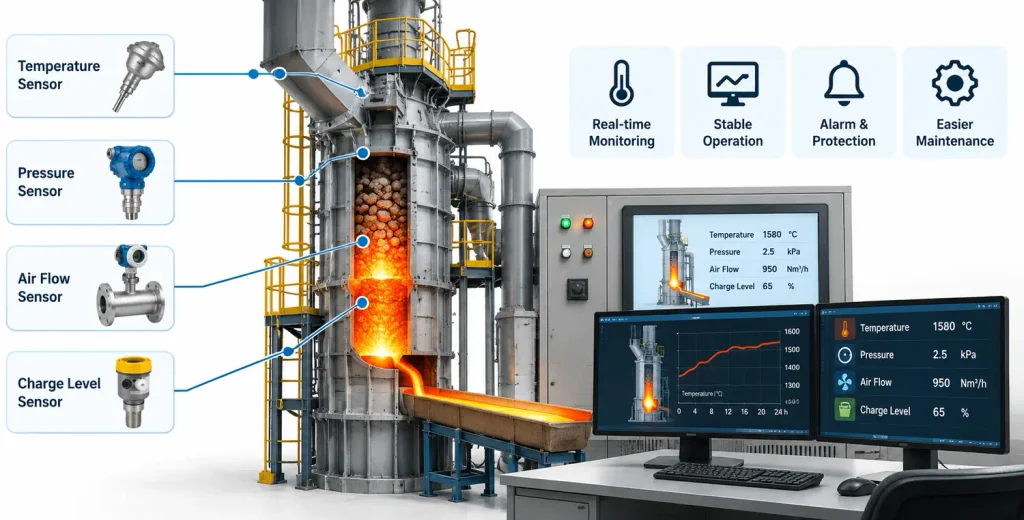
Modern furnace systems increasingly include sensors and control systems that monitor temperature, pressure, air flow, and charge levels in real time. This kind of visibility helps operators react faster to changes and reduces the chance of quality drift going unnoticed.
Automation does not replace operator experience, but it does make the furnace easier to manage, especially over long shifts.
Comparison table for selection criteria
| Selection factor | Why it matters | What to check in practice |
|---|---|---|
| Melting capacity | Determines line throughput | Match to current and planned production volume |
| Fuel efficiency | Affects operating cost directly | Coke or fuel consumption per ton of melt |
| Temperature stability | Impacts fiber quality and consistency | Temperature variance during continuous operation |
| Emission control | Needed for environmental compliance | Built-in filtration, dust handling, gas treatment |
| Refractory durability | Reduces downtime and repair cost | Lining material, expected service life, access design |
| Automation readiness | Supports consistent operation | Sensor integration, control system compatibility |
Common mistakes buyers make
Some patterns show up again and again when plants select furnace equipment, and they tend to cause regret later.
- Overestimating capacity needs — buying a larger furnace “just in case” often leads to inefficient operation and higher fuel costs at normal production levels.
- Ignoring maintenance access — a furnace that is difficult to reline or clean will cost more in downtime than one that is slightly more expensive upfront but easier to service.
- Underestimating emissions requirements — assuming current regulations will not change is risky. A furnace with better emission handling built in provides more flexibility going forward.
- Choosing on price alone — the cheapest furnace is rarely the cheapest to operate. Total cost of ownership over five to ten years is a more useful comparison.
These are not uncommon mistakes. They happen frequently enough that they are worth mentioning plainly.
How the furnace fits into Stone Wool Production Lines
A furnace does not operate in isolation. It feeds the fiberizing unit, which feeds the forming chamber, which feeds the curing oven. If the furnace output does not match the rest of the system — in volume, consistency, or timing — the entire line feels it.
When evaluating Stone Wool Production Lines, the furnace should be considered as part of the system, not as a standalone purchase. A well-matched furnace makes the downstream equipment easier to run and the product easier to keep within spec.
That integration thinking also affects decisions about automation, control systems, and even physical layout. The furnace needs to connect smoothly to what comes after it, both in terms of material flow and data flow.
When a more efficient enclosed furnace may be the better fit
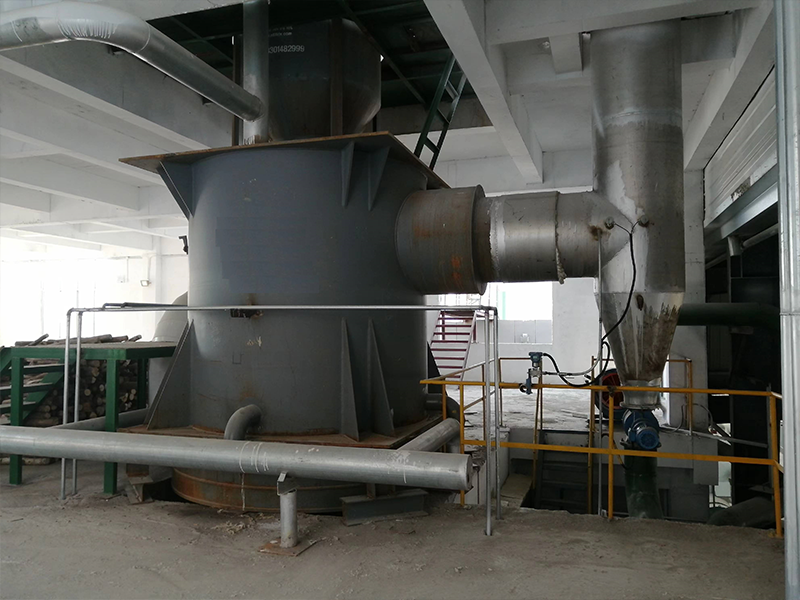
Traditional open cupola designs have been used for decades, and they work. But as energy costs rise and emission standards tighten, more plants are looking at enclosed or semi-enclosed furnace configurations that offer better heat retention, lower fuel use, and improved emission capture.
A Cupola Furnace for Stone Wool Lines designed with energy-saving features — such as better sealing, waste heat recovery, or optimized air injection — can reduce operating costs meaningfully over time. Whether the upgrade is worth it depends on production volume, local energy prices, and how long the plant expects to run the line.
For higher-output plants or those facing stricter environmental requirements, the enclosed design is increasingly the practical choice rather than the premium one.
Conclusion
Selecting a Cupola Furnace for Stone Wool Lines is less about finding the best furnace on paper and more about finding the right fit for the production system it will serve. Capacity, efficiency, emission handling, maintenance, and automation readiness all matter — but they matter most in relation to the rest of the line.
A furnace that matches the downstream process, operates efficiently under real conditions, and stays accessible for maintenance is usually the one that causes the fewest headaches over the long run. And in stone wool production, fewer headaches at the melting stage means a smoother experience everywhere else.
If you are selecting a cupola furnace for a new or upgraded stone wool line, send us your target line capacity, raw-material composition, available fuel, local emission requirements and downstream fiberizing capacity. We can use these parameters to determine the furnace configuration and melting capacity required for your project.
If you want to know more about Cupola Furnace for Stone Wool Lines, please read What is Cupola Furnace for Stone Wool Lines.
FAQ
How Does Raw Material Variation Affect Melting Furnace Stability?
Variation in the size, moisture content, or chemical makeup of the raw feed can change how the charge melts, which in turn affects temperature stability and melt flow. Plants that invest in raw material screening and preparation before the furnace usually see more predictable operation and fewer quality issues downstream.
What Are the Most Common Causes of Furnace Temperature Instability?
In practice, the most common causes are inconsistent charging (both timing and material mix), air supply fluctuations, and refractory degradation that changes the internal geometry of the furnace over time. These factors interact with each other, which is part of why furnace operation benefits from experienced operators and good monitoring tools.
Is Automated Monitoring Worth It for Modern Stone Wool Plants?
For most modern stone wool plants, yes. Automated monitoring reduces the chance of undetected temperature drift, helps optimize fuel use, and provides data that supports maintenance planning. It does not eliminate the need for skilled operators, but it gives them better information to work with — which tends to improve both uptime and product consistency.




