
What Drives Industrial Centrifuge Prices Across Different Uses
Anyone who’s tried to budget for a centrifuge knows the frustration. You look up one model, get a number in your head, then discover the version built for your specific process costs twice as much. Industrial centrifuge prices don’t follow a neat, predictable pattern—and honestly, that’s because the machines themselves vary enormously depending on what they’re being asked to do.
A centrifuge separating water from sludge at a wastewater plant looks nothing like one handling pharmaceutical-grade separation in a cleanroom. Same basic principle, sure. Spinning stuff really fast to separate components by density. But the engineering, materials, certifications, and tolerances involved? Completely different ballgame.
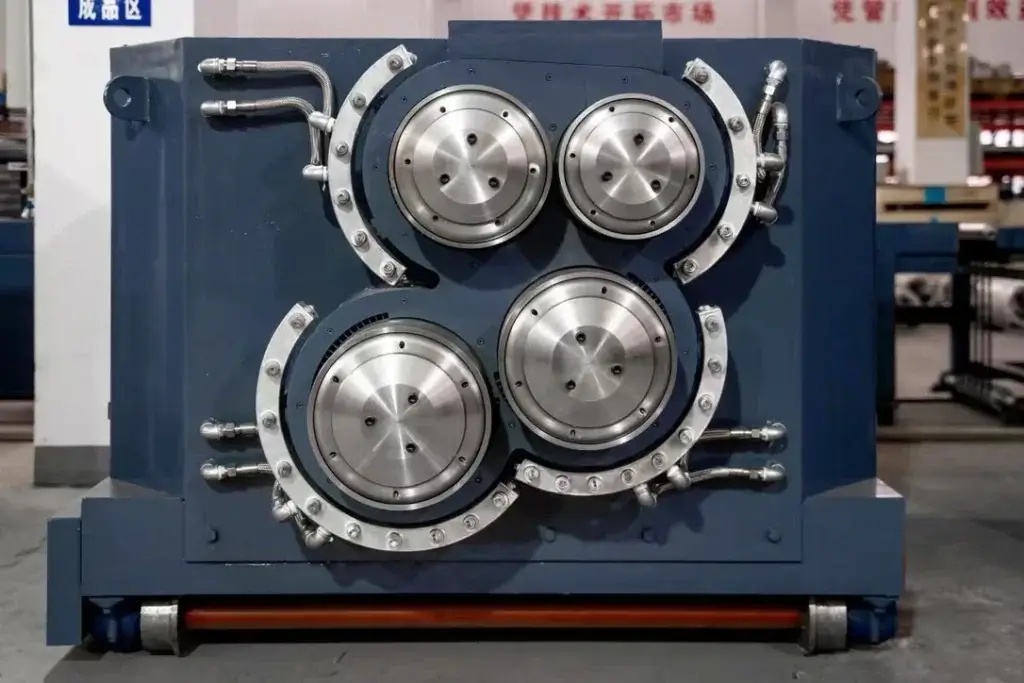
Application-Specific Factors That Affect Cost
Material of Construction
This is probably the single biggest cost driver people underestimate. A centrifuge processing mildly corrosive food slurries might get away with 316L stainless steel. Move into chemical processing with aggressive solvents or acids, and suddenly you’re looking at Hastelloy or titanium components. The material jump alone can double or triple the price tag on otherwise similar equipment.
Speed and G-Force Requirements
Not every application needs extreme rotational speed. Decanter centrifuges for mining operations often run at moderate speeds—they’re dealing with heavy solids and large volumes. But biotech applications demanding fine particle separation require much higher g-forces, which means tighter engineering tolerances, better balancing, and more expensive drive systems.
Regulatory and Certification Needs
Pharmaceutical and food-grade centrifuges carry additional costs that industrial buyers in other sectors never deal with:
• GMP-compliant surface finishes
• Full material traceability documentation
• CIP (clean-in-place) system integration
• Explosion-proof ratings for certain chemical environments
These aren’t optional add-ons. They’re built into the design from scratch, and they push industrial centrifuge prices well above what a comparable unit would cost for, say, mineral processing.
Price Ranges by Industry Application
The table below gives a rough sense of how pricing shifts. These aren’t exact quotes—more like ballpark ranges based on what’s commonly seen in the market.
| Application Sector | Typical Centrifuge Type | Estimated Price Range (USD) |
|---|---|---|
| Wastewater Treatment | Decanter | $80,000 – $250,000 |
| Food & Beverage | Disc Stack / Decanter | $100,000 – $350,000 |
| Pharmaceutical | Disc Stack / Peeler | $150,000 – $500,000+ |
| Chemical Processing | Decanter / Filtering | $120,000 – $400,000 |
| Oil & Gas | 3-Phase Decanter | $150,000 – $450,000 |
| Mining & Minerals | Solid Bowl Decanter | $90,000 – $300,000 |
Worth noting that custom configurations push the high end even further. A standard catalog unit and a fully customized system for a niche process—those are really two different purchasing conversations.
Capacity and Throughput Matter More Than People Think
There’s a tendency to focus on the centrifuge type while overlooking throughput requirements. A small lab-scale disc stack centrifuge and an industrial unit processing 50 cubic meters per hour share a name but not much else. Scaling up means bigger bowls, heavier frames, more powerful motors, and reinforced housings. All of that feeds directly into the final number on the quote.
Sometimes it actually makes more sense economically to run two smaller units in parallel rather than one oversized machine. Depends on the process, redundancy needs, maintenance planning. The pricing math isn’t always linear.
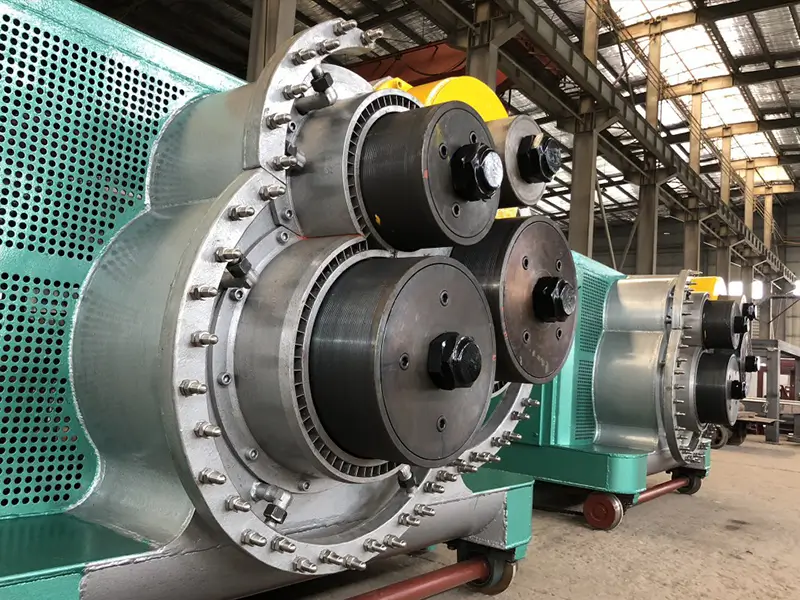
Specialized Manufacturing Applications
Certain industrial processes require centrifuges designed for very specific operating conditions. Rock wool production lines, for instance, involve handling molten slag and mineral fibers at elevated temperatures. Centrifuges integrated into these systems need heat-resistant components, specialized seals, and construction materials that can withstand thermal stress without degrading.
The pricing on centrifuges for high-temperature manufacturing environments reflects all that additional engineering. You’re not just buying separation capability—you’re paying for equipment that survives conditions that would destroy a standard industrial unit within weeks. Similar logic applies to centrifuges used in glass fiber production, metal processing, and other sectors where extreme temperatures are part of the daily routine.
Hidden Costs Beyond the Equipment Itself
The sticker price on a centrifuge rarely tells the whole story. Buyers focused narrowly on industrial centrifuge prices often get surprised by what comes after:
1. Installation and commissioning fees
2. Foundation and structural modifications
3. Utility connections (compressed air, cooling water, electrical)
4. Operator training programs
5. Spare parts inventory for critical components
6. Extended warranty or service contract premiums
For complex installations—like integrating a centrifuge into existing rock wool production lines or retrofitting one into a pharmaceutical facility—these ancillary costs can approach 20-30% of the equipment value. Budget accordingly. If you want to know more about Industrial centrifuge prices, please read Industrial Centrifuge Price for Rock Wool Production Lines.
FAQ
Why do pharmaceutical centrifuges cost so much more than industrial ones?
Mainly because of material requirements, surface finish standards, and regulatory compliance. Every weld gets inspected, every surface polished to specific roughness values. Documentation alone adds significant engineering hours to the project. The machine has to meet GMP standards before it ever touches product.
Can industrial centrifuge prices be negotiated with manufacturers?
Generally yes, especially on larger orders or when bundling with service contracts. Some manufacturers offer refurbished units at lower price points too. Volume commitments and long-term maintenance agreements tend to create more room for discussion than haggling on a single unit.
Does the installation location affect the total cost?
It can, quite a bit actually. Remote sites with difficult logistics, regions requiring specific electrical standards, or facilities needing structural modifications to support the equipment weight—all of these add cost beyond the machine itself. Shipping a 10-ton decanter centrifuge to a remote mining operation is not cheap, and foundation work adds up fast.




