
An industrial centrifuge machine spins very fast to separate solids from liquids or two types of liquids. This process uses centrifugal force. Centrifugal force pushes heavier things outward and lighter things inward inside the centrifuge. The separation happens fast and works well. This makes a centrifuge machine very important in many factories.
Industrial Centrifuge Machine Basics
What is a Centrifuge Machine
A centrifuge is a special machine that separates things by how dense they are. In factories, the centrifuge machine spins very fast. This spinning creates centrifugal force. Heavier particles get pushed to the edge of the container. Lighter substances stay closer to the center. This makes it easy to separate solids from liquids or two types of liquids. The industrial centrifuge machine can work all the time or in batches. It depends on what the process needs. Its main job is to give quick and dependable separation for many factory uses.
Note: How well a centrifuge works depends on the density difference. If the materials have very different densities, separation happens faster and better.
Main Uses
Industrial centrifuges are very important in many industries. These machines help remove solids from liquids or split two liquids that do not mix. Some main industries that use centrifuge machines are:
- Wastewater Treatment: These places use centrifuges to take out sludge and solids from water. This makes water cleaner and lowers the cost to get rid of waste.
- Food Processing: The food industry uses centrifuge machines to make juices clear, separate cream from milk, and handle edible oils.
- Chemical Manufacturing: Chemical plants use industrial centrifuges to clean products, get back useful materials, and deal with waste.
- Pharmaceutical Production: Drug makers use centrifuges to separate important ingredients, take out impurities, and keep products the same.
- Oil and Gas: The oil industry uses centrifuges to separate water, solids, and other unwanted stuff from crude oil and drilling fluids.
These examples show that machines are useful and needed in many factory jobs. By making separation easy, industrial centrifuges help companies make better products, cut down on waste, and improve how things are made.
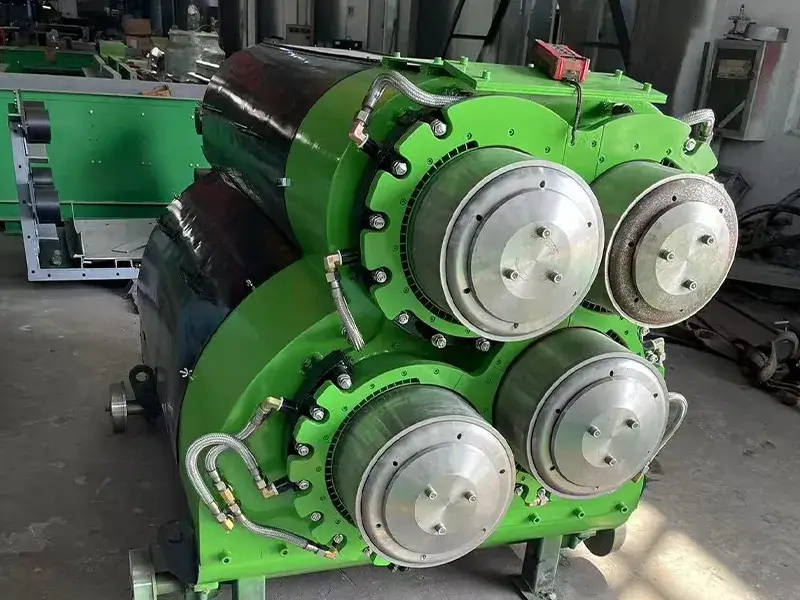
How Centrifuge Works
Centrifugal Force
Centrifugal force is what makes a centrifuge work. When the machine spins, it pushes things away from the center. This force is much stronger than gravity. In a centrifuge, heavier particles move to the edge. Lighter substances stay near the center. This movement helps separate materials quickly by how dense they are.
Tip: Centrifugal force gets stronger when the machine spins faster. Faster spinning helps separate things with small density differences.
Separation Process
The separation process starts when the mixture goes into the spinning drum. As the drum turns fast, heavier solids or liquids move to the wall. Lighter liquids stay near the center. The machine sends each layer to different outlets. This way, solids can be removed from liquids or two liquids can be split.
Here are the steps in order:
- The mixture goes in through the inlet port.
- The drum spins very fast.
- Heavier materials move out and make a layer on the wall.
- Lighter materials stay close to the center.
- The machine takes each layer out through different outlet ports.
This process helps separate things well and keeps product quality high in many factories.
Key Components
A centrifuge has several main parts that work together for good separation. Knowing these parts helps pick the right machine for each job.
Drum or Bowl
The drum or bowl is where the separation happens. It holds the mixture and spins quickly. The size and shape of the drum change how well the machine works. A bigger drum can hold more. A special shape can help separate tiny particles better.
Motor System
The motor system makes the drum spin. It needs to be strong enough to reach the right speed. Industrial centrifuges use tough motors that run for a long time. The motor can change speed for different materials.
Inlet/Outlet Ports
Inlet and outlet ports control how things move in and out of the centrifuge. The inlet port lets the mixture in. Outlet ports take out the separated solids and liquids. Good ports stop blockages and keep things running smoothly. They also help collect the separated products for more use or disposal.
Note: Checking these parts often helps keep the centrifuge safe and working well.
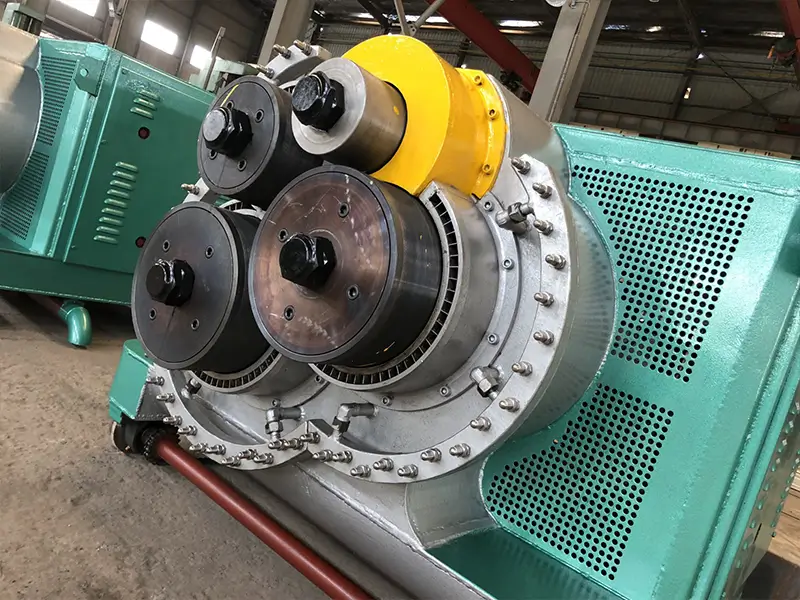
Centrifuge Machine Applications
Wastewater Treatment
Industrial machines are very important in wastewater plants. These machines help separate solids from liquids fast. When wastewater comes in, it has sludge, dirt, and other stuff. The centrifuge spins the mix at high speed. Heavy solids move out and stick to the drum wall. Cleaner water stays near the center. Workers can take out the solids for disposal or more treatment. This process is called industrial centrifuge dewatering. It makes less waste and lowers disposal costs. Many plants use this method to meet strict rules and work better.
Tip: Keeping the centrifuge in good shape helps it work well. It also stops expensive downtime in wastewater plants.
Food Processing
In food processing, the industrial machine helps make products better and safer. Factories use these machines to clear juices, separate cream from milk, and clean edible oils. It takes out unwanted solids and water. This leaves a cleaner product. Juice makers use centrifuges to remove pulp and seeds. This gives a clear drink. Dairy plants use centrifuges to get cream from milk. This is needed for butter and other dairy foods. The process also helps dry out food waste. This makes it easier to handle and throw away byproducts.
- Applications in food processing:
- Juice clarification
- Cream separation
- Edible oil purification
- Waste byproduct dewatering
Using an industrial centrifuge in food processing gives steady results. It also helps meet food safety rules.
Chemical Manufacturing
Chemical plants use industrial centrifuges for many jobs. These machines help clean chemicals, get back useful stuff, and take out impurities. It separates solid bits from liquid chemicals. This is important for good product quality. Sometimes, the machine also splits two liquids that do not mix, like oil and water. This helps make things faster and cuts down on waste. Chemical plants pick the right centrifuge for each mix and how pure they want it. Good separation keeps high standards and helps plants run all the time.
Note: Picking the right centrifuge for each chemical job helps things run better and keeps products the same.
Oil and Gas
Industrial machines are very important in oil and gas. These machines help split oil, water, and solids from crude oil and drilling fluids. When crude oil comes up, it has water, sand, and other things mixed in. Centrifuges spin the mix very fast. Heavy solids move to the drum wall. Water forms its own layer. Oil stays close to the center. Each layer leaves through a different outlet.
Oil refineries use centrifuges to clean crude oil before more steps. This removes solids and water that are not wanted. Clean oil helps other machines work better. Drilling teams also use centrifuges. Drilling mud picks up rock pieces and fine solids. Centrifuges take out these solids. This keeps the drilling fluid clean and ready to use again. This process makes less waste and saves money on disposal.
Machines also help get back oil from sludge and tank bottoms. By splitting oil from waste, companies can save more product and help the environment. The oil and gas industry likes centrifuges because they are fast, reliable, and can handle big amounts.
Tip: Taking care of machines often keeps them working well and stops costly downtime in oil and gas plants.
Other Industries
Many other industries use industrial centrifuge machines too. In mining, centrifuges split minerals from ore slurries. This helps get valuable metals and makes less waste. Textile factories use it to take water out of fabrics after washing or dyeing. This step helps dry things faster and makes products better.
In the pharmaceutical industry, centrifuges help clean drugs and vaccines. The machines split active parts from things that should not be there. This keeps products pure and safe. Biotechnology companies use centrifuges to collect cells, proteins, and enzymes from fermentation broths. This step is needed to make medicines and research materials.
Pulp and paper mills use centrifuges to clean water and get fibers back. This saves water and helps with recycling. Power plants use centrifuges to treat oils and cooling fluids. Clean fluids help machines last longer and keep plants running well.
The food and beverage industry uses centrifuges for more than juice and dairy. Breweries use them to clear beer and take out yeast. Sugar mills use centrifuges to split sugar crystals from syrup. The environmental sector also uses it for cleaning soil and treating wastewater. Centrifuges are also used in the manufacturing of insulation materials like rock wool. For more information, see our article Why Centrifuge Machines Are Critical for Rock Wool.
Note: Machines help make cleaner products, save resources, and meet environmental rules in many industries.
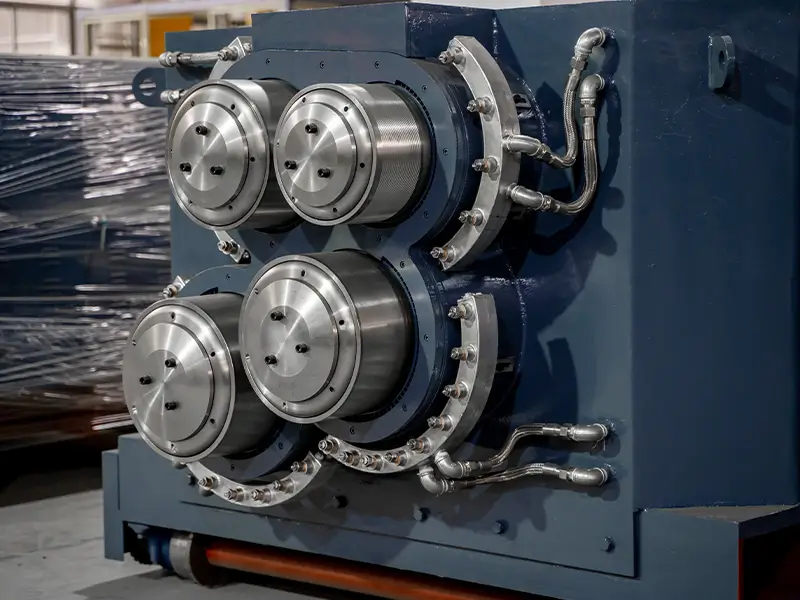
Benefits of Industrial Centrifuge
Efficient Separation
Industrial machines work well for many jobs. They use centrifugal force to move heavy particles outward. Lighter substances stay closer to the center. This helps solids and liquids separate fast and clean. In food processing, the centrifuge takes pulp out of juice or cream from milk. There is little waste and the product is clear. Many industries use this technology for steady results. Operators know the machine can handle mixtures with different densities and sizes. The separation stays strong even when the machine runs all the time.
Tip: Taking care of the centrifuge often keeps it working its best and makes it last longer.
Time and Cost Savings
An industrial centrifuge saves both time and money. It works much faster than old settling or filtering ways. Big amounts of material move through quickly. This means each batch or run takes less time. Labor costs go down because people do not need to do as much. Automated controls help workers watch and change things fast. If the machine gets checked often, it does not need much fixing. Companies use less energy and fewer supplies like filter media. These savings grow over time, so the centrifuge is a smart buy for many places.
- Key cost-saving benefits:
- Faster processing times
- Reduced labor requirements
- Lower energy consumption
- Minimal waste disposal costs
Product Quality
A centrifuge helps keep product quality high in factories. The careful separation takes out unwanted solids and dirt. This is very important in food processing, where purity matters. The machine makes sure only the good parts stay in the final product. Steady work gives the same results every time. Customers get products that meet strict rules. The chance of contamination is low because the system is closed. Companies can follow the rules and earn trust by giving safe, high-quality goods.
Note: Buying a good centrifuge helps keep products great and customers happy for a long time.
Environmental Impact
Industrial machines help factories lower their impact on nature. They use centrifugal force to split solids from liquids. This helps make cleaner products and better waste control.
When a factory uses an industrial centrifuge, less waste goes to landfills. The machine takes solids out of wastewater. This makes water easier to clean and use again. Cleaner water means less pollution in rivers and lakes. This protects animals, plants, and people nearby.
Factories must follow strict environmental rules. Machines help them meet these rules by treating waste better. The machines pull out dangerous materials from process streams. This lets companies handle and throw away waste safely. It also lowers the chance of spills and pollution.
Another big benefit is resource recovery. Industrial centrifuges let you get back useful stuff from waste. For example:
- Oil recovery: Take oil out of sludge or wastewater so it can be used again or sold.
- Metal recovery: Get small metal pieces from mining or factory waste.
- Water reuse: Clean water so it can be used again in the plant.
Tip: Using a centrifuge to get back resources can save money and help the environment.
Machines also save energy. They often use less power than old settling tanks or filters. Using less energy means fewer greenhouse gases and a smaller carbon footprint.
Here are some ways industrial centrifuges help the environment:
- Make less waste for easier disposal
- Clean water for reuse or safe release
- Get valuable byproducts from waste
- Use fewer chemicals to treat water
- Use less energy overall
If you pick the right centrifuge and take care of it, your business can reach its green goals. Cleaner work, less waste, and better use of resources all help the planet. Industrial centrifuge machines make it easier for companies to work well and care for the environment. For more information, see our article Industrial Centrifuges in Rock Wool Production.
Conclusion
An industrial machine helps factories separate things quickly and well. The machine uses centrifugal force to split solids from liquids. Different types of centrifuges work best for different jobs or industries. These machines help save time and make products better. They also help reduce waste in factories. When picking a centrifuge, choose one that fits your needs. Industrial centrifuges are very important in today’s factories.




