
Introduction to the Automated Logistics System
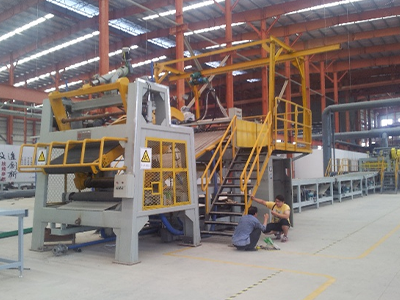
After the cutting and forming stages, insulation products still require proper packaging and warehousing before they are ready for shipment or storage. This is where the Automated Logistics System becomes essential. It handles rolls and rigid boards differently, applying compression, stacking, and wrapping processes based on the product type.
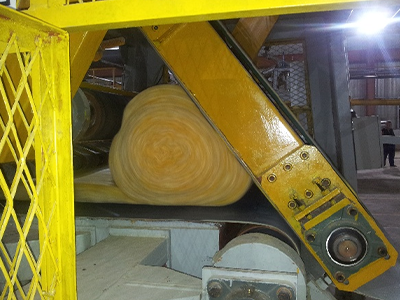
For flexible products like glass wool felt, the automated logistics system uses an automatic winding and packaging unit that compresses the material before rolling. This greatly reduces its volume—up to a 1:7 ratio—making storage and transportation more efficient.
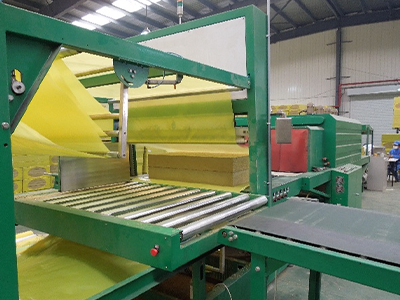
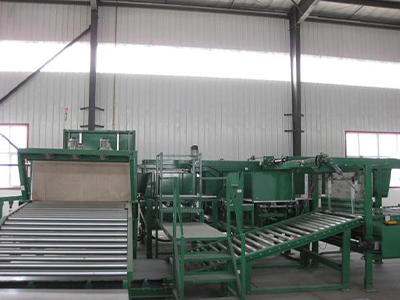
Rigid insulation boards follow a separate path. These are carried along the main conveyor belt to a stacking unit, where automated controls arrange them layer by layer. Afterward, they’re shrink-wrapped for protection. A robotic arm then places the finished packages onto pallets, and forklifts take over from there, moving them to storage.
Key Features of the Automated logistics system
1. Space-Saving Compression
Glass wool rolls are compressed and rolled by an automatic machine, cutting their size significantly. This high compression rate—seven times smaller—means easier transport and less warehouse space needed.
2. Automated Board Handling
Boards are automatically stacked and packaged without manual work in the Automated Logistics System. Once shrink-wrapped, they’re ready for loading or storage, protected from environmental exposure.
3. Robotic Palletizing
Instead of workers stacking pallets manually, the Automated Logistics System uses robotic arms for more consistent results. This also helps reduce workplace injuries and increases overall packaging speed.
4. Smooth Transition to Storage
All packed products are transferred using forklifts directly into warehouse space in the Automated Logistics System. No repacking or extra steps are required, which keeps operations running smoothly.
Applications of the Automated logistics system
1. Roll Products for Construction Sites
Compressed glass wool rolls are ideal for construction environments where handling efficiency matters. Their compact form allows bulk transportation, reducing shipping frequency and cost.
2. Board Insulation for HVAC or Interior Use
Rigid boards are shrink-wrapped and stacked for stability, ensuring they arrive clean, dry, and damage-free. This is crucial for HVAC duct lining, partition walls, and ceiling applications where dimensional consistency is required.
3. Warehouse and Transport Integration
In this Automated logistics system, finished products are automatically stacked and palletized by robotic systems, then moved to storage using forklifts. This automation speeds up material flow and reduces manual labor.
FAQ
Can this automated logistics system handle both rolls and rigid boards?
Yes, the packaging and logistic system has separate tracks for each type. Compression and rolling are used for felts, while stacking and wrapping are used for boards.
Does shrink-wrapping add much time to the process?
Not really. Since it’s part of an inline process, it doesn’t interrupt production or require manual labor.
Is the compression harmful to the product?
No. Once unrolled, the product regains its shape and insulation capability. Compression only helps reduce volume.

