
Introduction to the Melting System
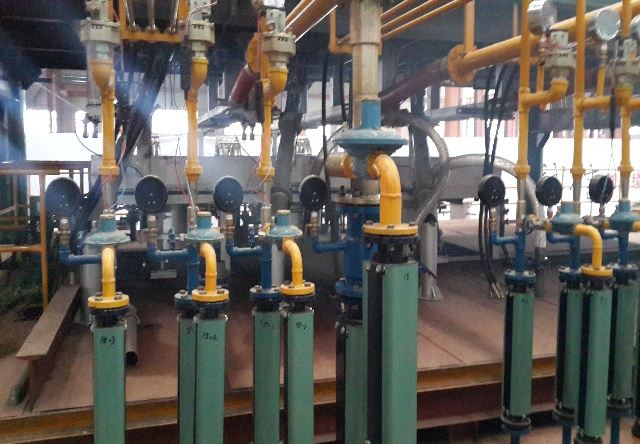
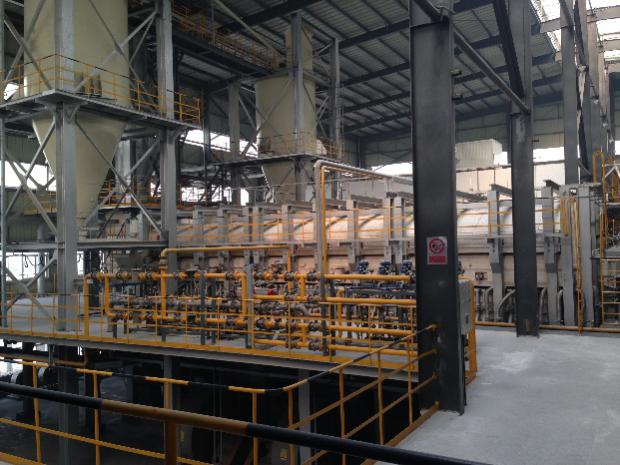
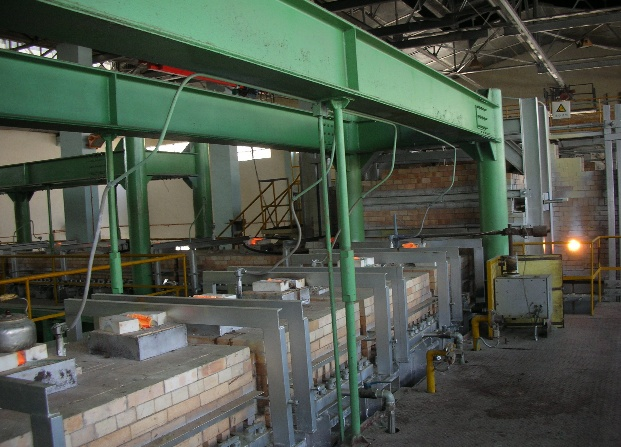
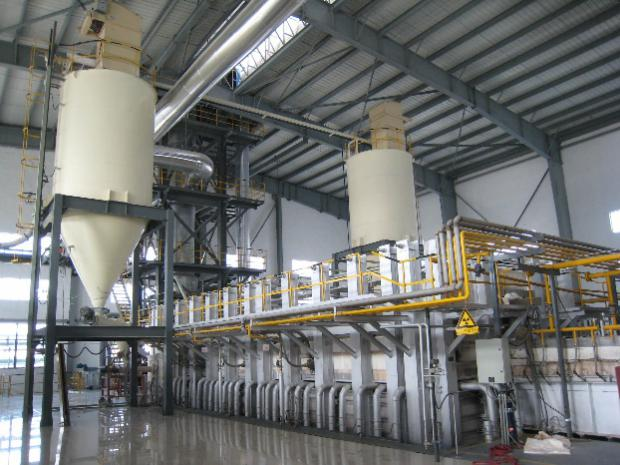
The Melting System is a critical part of the glass wool production line, designed to melt raw batch materials into high-quality molten glass. It adopts a unit furnace structure, composed of the unit furnace, forehearth, combustion system, cooling air system, and smoke exhaust system.
This configuration ensures efficient thermal management, high melting efficiency, and long service life. Glass batch materials are melted at high temperatures of 1450–1500°C, forming stable glass liquid which flows through the liquid outlet into the forehearth for subsequent fiberization.
Key Specification
| Parameter | Value | Description |
|---|---|---|
| Melting Capacity | 130 t/day | Daily output of molten glass |
| Melting Rate | 3.0 t/m²·day | Glass melting rate per square meter |
| Quantity of Broken Glass | 80–90% | Proportion of cullet in the batch mix |
| Furnace Age | 3–5 years | Typical service life of the unit furnace |
Features of the Melting System
1. Integrated Furnace Structure with Stable Glass Flow
The unit furnace adopts a long and narrow design, which helps adjust the temperature along the length of the melting zone. Combined with a sealed inclined blanket feeder linked to a glass level controller, the system maintains a stable molten glass surface, ensuring consistent melting and flow.
2. Efficient Heat Transfer and Glass Clarification
Air bubblers are placed at the furnace hotspot to enhance melting speed and glass homogenization. At the same time, cross-arranged pure oxygen burners on both sides provide strong flame radiation and reliable temperature control throughout the melting chamber.
3. Segmented Thermal Control in Forehearth
The forehearth is equipped with multiple oxygen burners and divided into independent temperature zones. This allows flexible adjustment of local temperatures, helping maintain process stability and support continuous output of glass wool.
4. Durable Materials for High-Temperature Operation
Key sections in contact with molten glass are lined with fused zirconia-corundum or chrome zirconia-corundum bricks. Upper zones and the forehearth top use sintered mullite bricks, improving thermal resistance and extending service life.
5. Integrated Safety and Monitoring Functions
The system includes pressure measurement, cooling fans directed at high-wear zones near the liquid line, and industrial TV cameras installed on the front wall. These features support safe operation and allow real-time observation of flame, bubbling, and feeding.
Applications of the Melting System
1. Continuous Glass Wool Melting
The melting system provides stable thermal conditions for the continuous transformation of raw batch into molten glass. With a high melting capacity and steady material flow, it ensures uninterrupted feeding to the fiberizing section, which is essential for large-scale and long-cycle glass wool production lines.
2. Precision Thermal Management
By combining structured burner layout, air bubbling, and multi-point temperature measurement, the system achieves accurate thermal distribution along both the melting furnace and forehearth. This allows operators to fine-tune heating zones based on process needs, reducing temperature fluctuation and improving product consistency.
3. Energy-Efficient Combustion and Emissions Control
The use of pure oxygen combustion technology, together with automatic flow adjustment of gas and oxygen, improves combustion efficiency and helps reduce energy waste. At the same time, it supports cleaner exhaust emissions, aligning with current standards for environmental protection in thermal processing industries.
FAQ
What is the melting capacity of the system?
The melting system melts up to 130 tons of glass per day, with a melting rate of 3.0 tons/m²·day.
What fuel and oxygen consumption does it require?
Natural gas consumption is approximately 520 Nm³/h, and oxygen consumption is 1120 Nm³/h, with an oxygen purity of 93%.
How is temperature managed inside the furnace and forehearth?
The melting system uses thermocouples, pure oxygen burners, and multi-zone control, allowing precise temperature adjustments in both the furnace and the forehearth.

